Nairobi • Laikipia • Samburu • Meru • Maasai Mara
Where the savannah stretches to every horizon and the wild still moves on its own terms.
Kenya is where the idea of safari was born, and where it still feels most itself. There is something in the quality of the light here, the scale of the open plains, the particular silence that falls just before an elephant herd moves through the acacia woodland, that reminds you why you came and makes you start planning your return before you have even left.
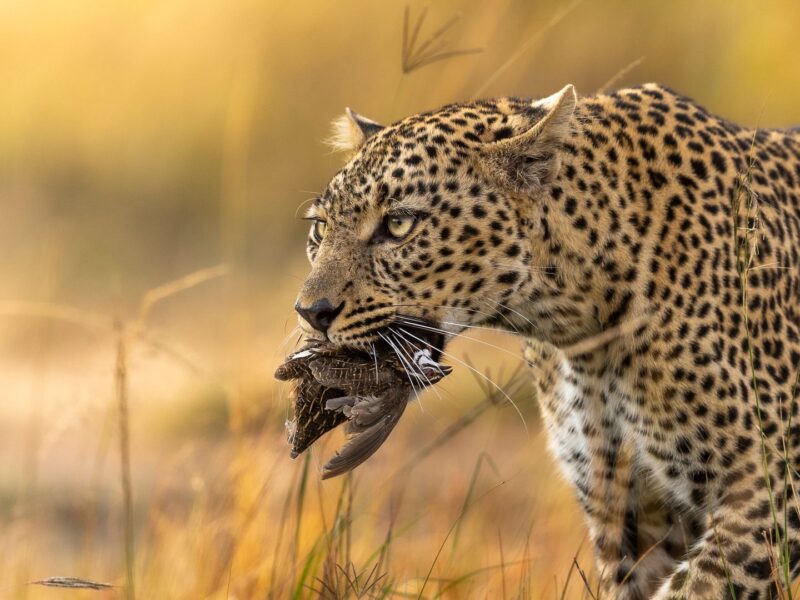
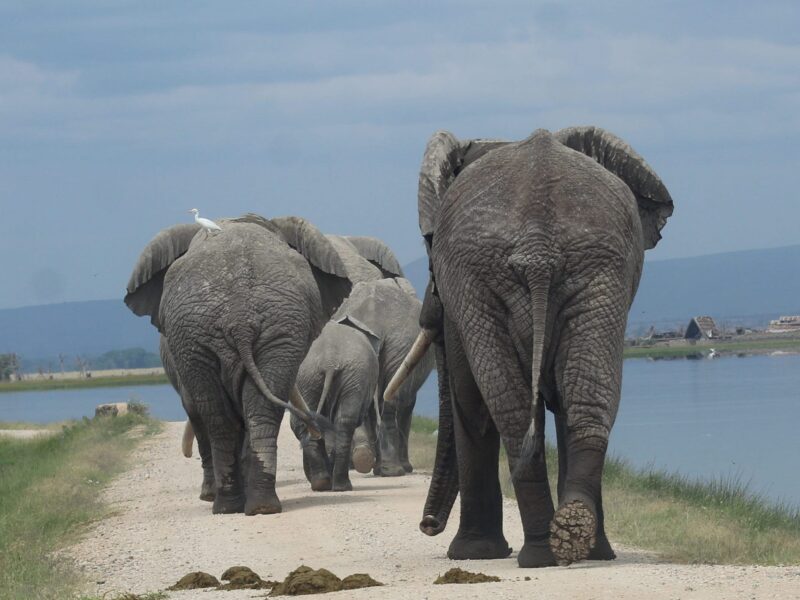
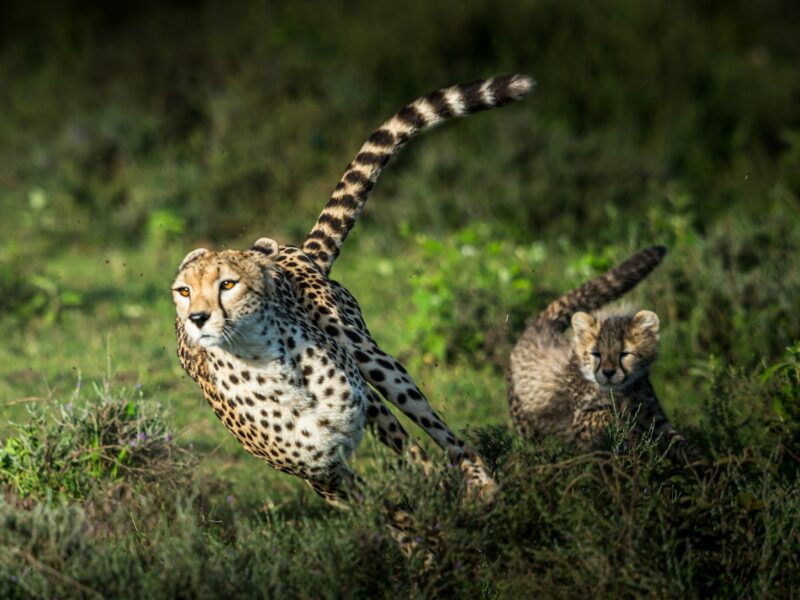
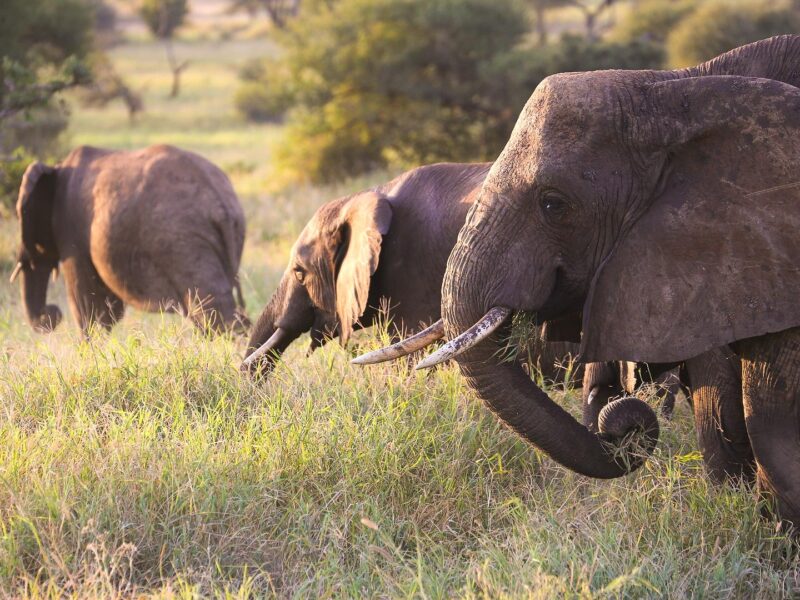
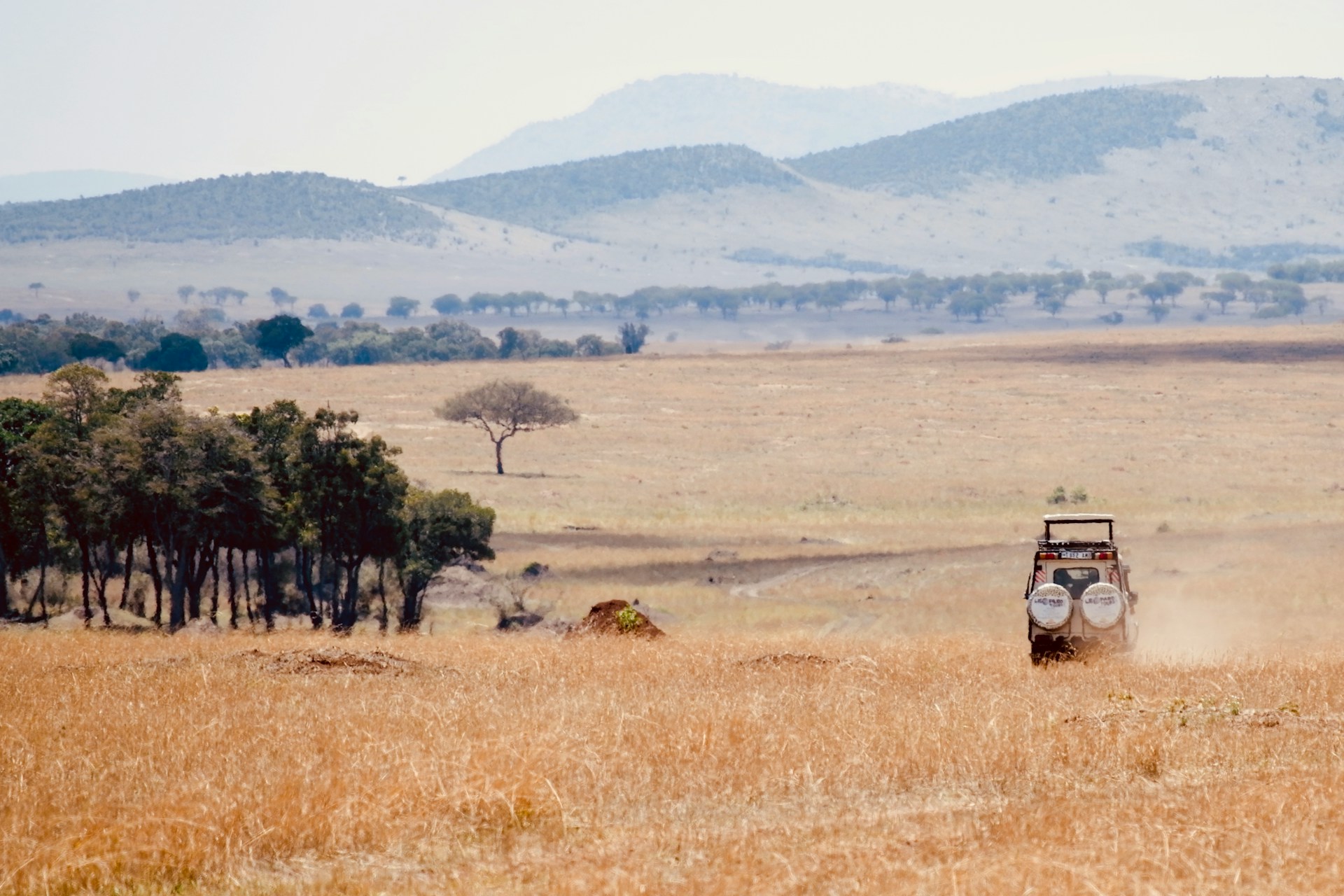
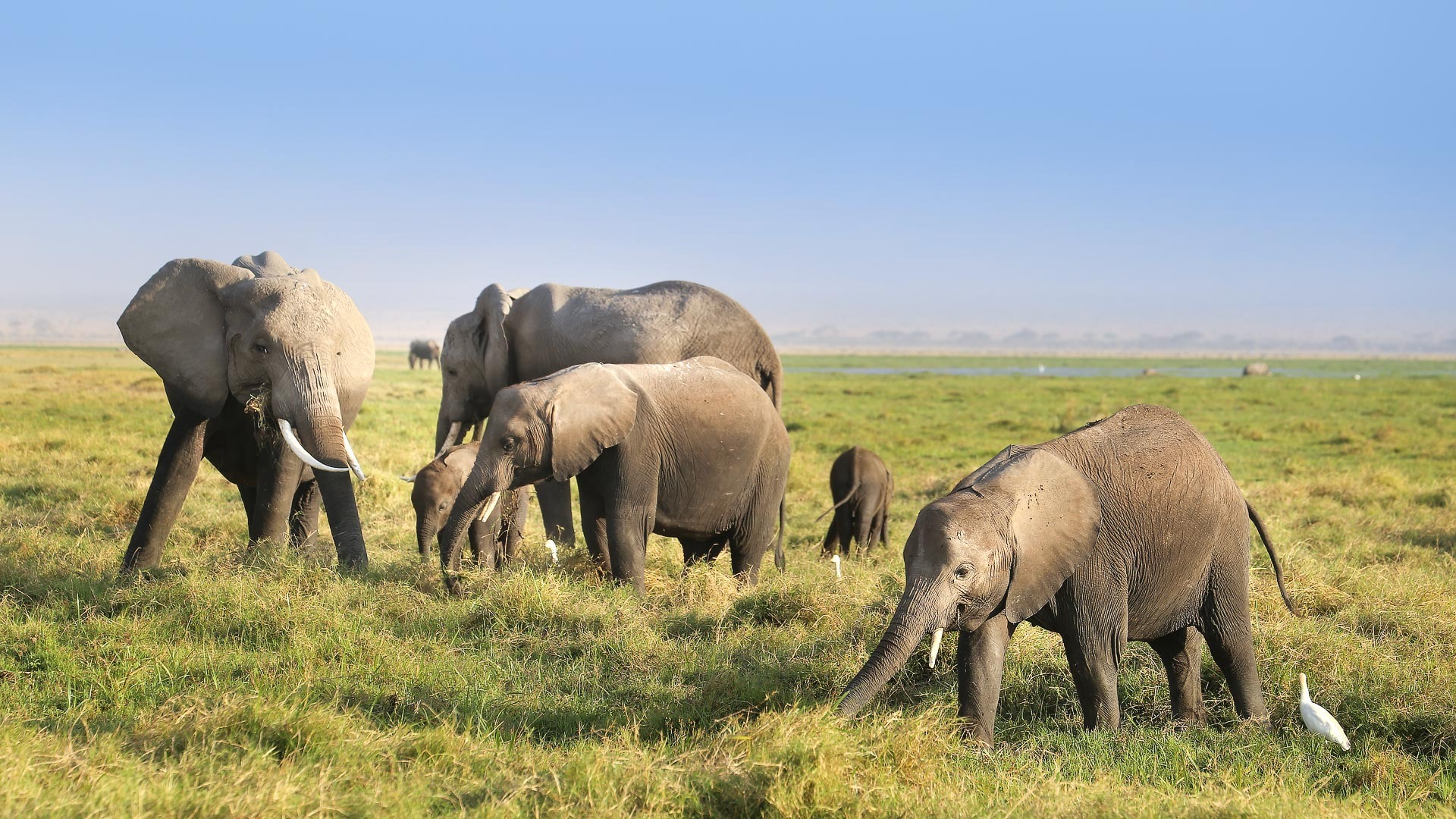
A Kenya safari is not a single experience. It is a collection of landscapes, each distinct, each extraordinary in its own way. The Maasai Mara’s endless golden savannah, paced by lion and leopard and cheetah. Amboseli’s wide floodplains, where elephant herds drift beneath the impossible white peak of Kilimanjaro. Lake Nakuru’s alkaline shores, ringed pink by flamingos in numbers that have to be seen to be believed. Samburu’s arid thornbush, home to rare northern species found nowhere else in East Africa. Each demands its own attention. Each rewards patience and presence in equal measure.
Ayal Tours specialises exclusively in Kenya and Tanzania, which means we know these landscapes with a depth that generalist operators cannot match. We know which camps sit closest to the river crossings during Great Migration season. We know when the rains transform the Mara into something softer and greener and quieter. We know the guides who read the ground like a map and the moments that make a journey genuinely unforgettable. When you travel Kenya with Ayal, you travel it properly.
Every Kenya safari we design begins with a conversation about what matters most to you — the landscapes you want to move through, the pace you prefer, the moments you are hoping to carry home. These are some of our most-requested Kenya itineraries. Each one is a starting point.
Nairobi • Laikipia • Samburu • Meru • Maasai Mara
Nairobi • Amboseli • Lake Naivasha • Maasai Mara
Nairobi · Amboseli · Lake Naivasha · Lake Nakuru · Masai Mara · Diani Beach
Maasai Mara · Lake Nakuru · Amboseli
Nairobi · Amboseli · Lake Naivasha · Lake Nakuru · Masai Mara
Lake Naivasha · Hell's Gate · Great Rift Valley
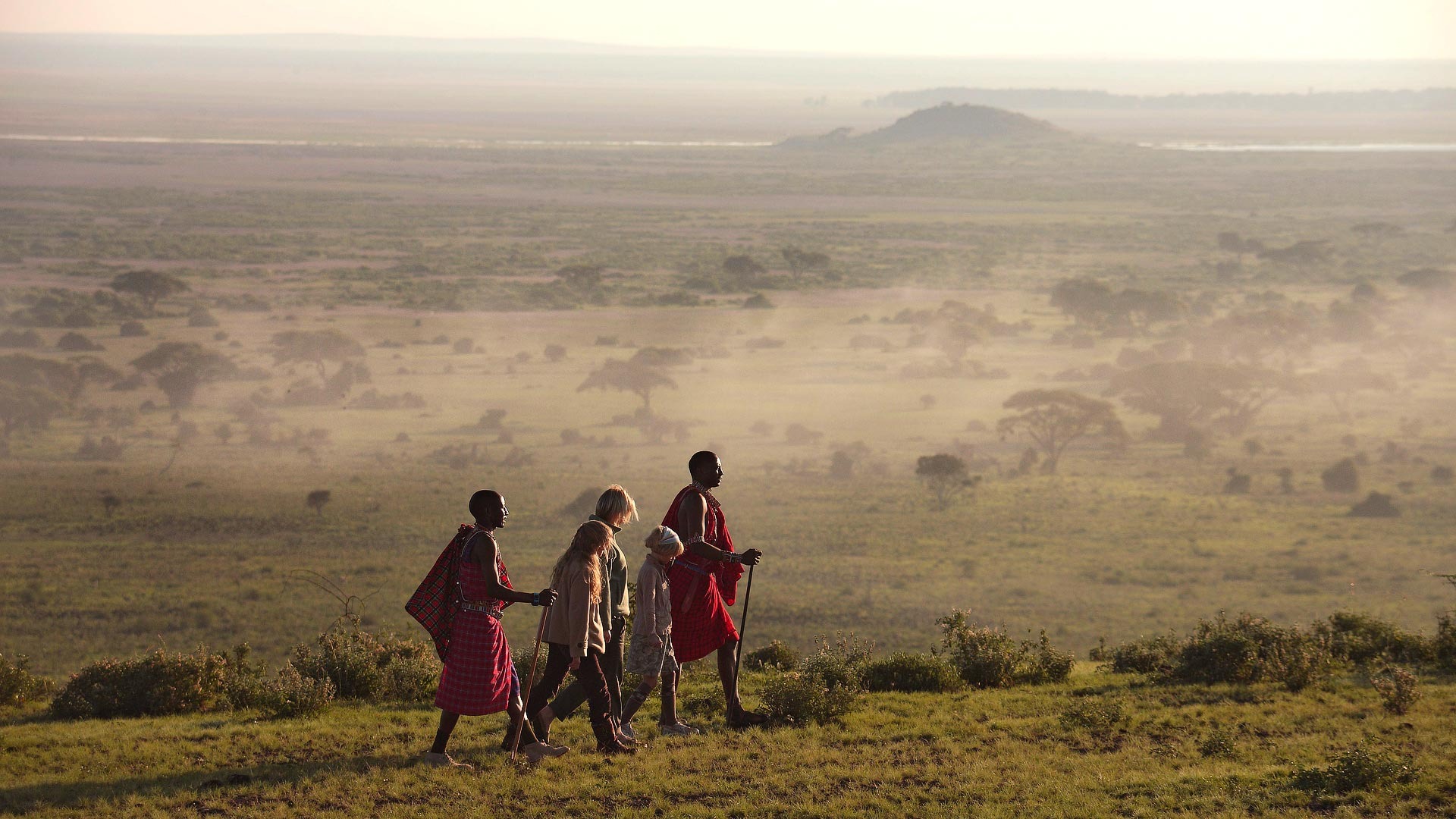
A Kenya safari is as much defined by its quiet moments as its great sightings — the dawn bush walk, the sundowner on the Mara plains, the sound of lions calling across the dark. These are some of the experiences that make Kenya's wilderness genuinely transformative.
Best Months to Visit
Kenya offers rewarding safari experiences year-round, but understanding its seasons allows you to align your visit with the experiences that matter most to you.
July to October — Peak Season & Great Migration
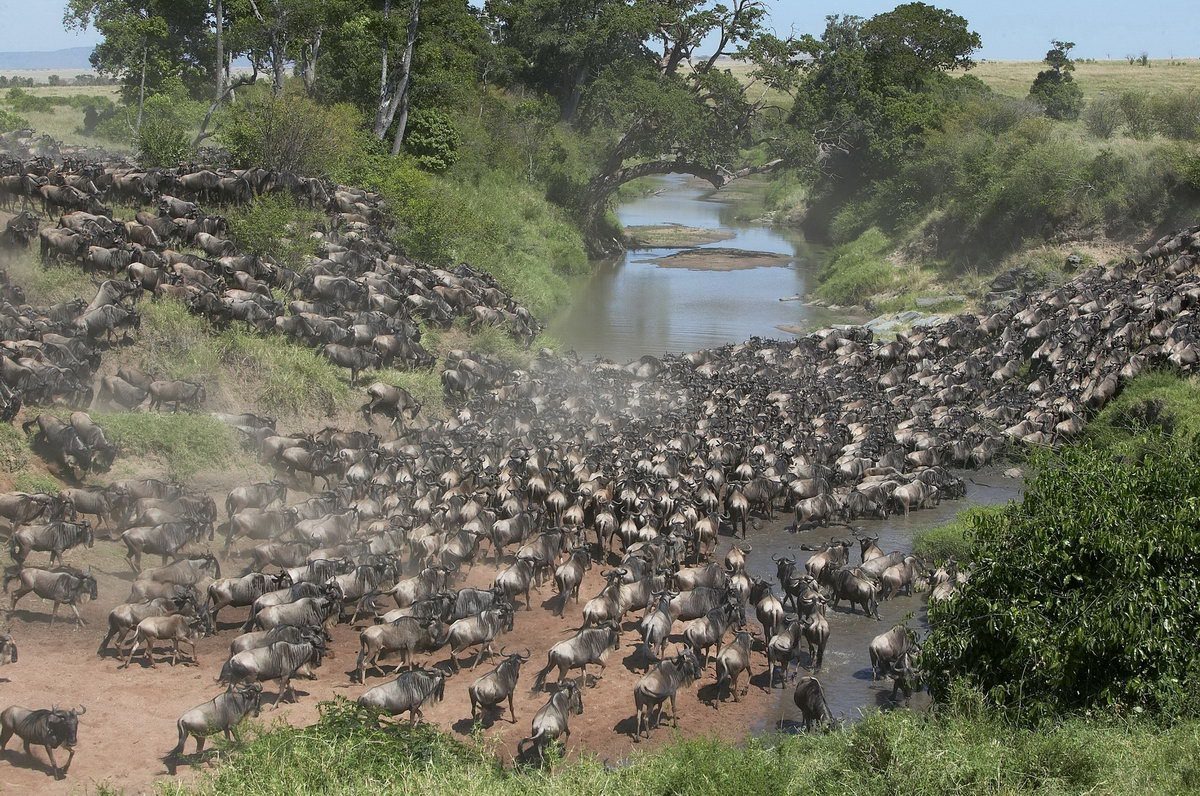
This is Kenya’s dry season and the period when the Great Migration reaches the Maasai Mara. Over 1.5 million wildebeest, zebra and gazelle cross from Tanzania’s Serengeti in search of grass and water, with the legendary Mara River crossings occurring most frequently between August and September. Game viewing across all Kenya’s parks is exceptional during this period — vegetation is low, animals gather around permanent water sources, and predator activity is at its most intense. This is the most in-demand period for Kenya safari packages and accommodation must be booked well in advance.
January to March — Excellent Value & Quieter Parks
The short dry season between January and March offers some of Kenya’s finest game viewing with significantly fewer visitors. The Maasai Mara and Amboseli are at their most intimate during this period — clear skies, dry conditions, and the kind of private sightings that make a Kenya safari feel genuinely personal. This is also calving season on the Serengeti and southern Mara, drawing large concentrations of predators.
April to June — The Long Rains
Kenya’s long rainy season brings dramatic skies, lush landscapes, and dramatically reduced visitor numbers. Game viewing is more challenging in thick vegetation, but the birding is exceptional and rates at many lodges drop significantly. For travellers whose schedules are flexible and who prefer solitude over peak-season sightings, the green season has a quiet beauty all its own.
November — Short Rains
Brief afternoon showers freshen the landscape without significantly disrupting game viewing. November is an excellent shoulder-season option — good wildlife, moderate prices, and the beginning of the migration’s return south into Tanzania.
Kenya offers excellent game viewing year-round, but the best time for a Kenya safari depends on your priorities. For the Great Migration and peak wildlife viewing in the Maasai Mara, July through October is outstanding — dry conditions, extraordinary predator activity, and the Mara River crossings at their most frequent. January to March offers similarly good game viewing with far fewer visitors. April, May, and June bring the long rains, lower visitor numbers, and lush green landscapes. There is genuinely no bad time to visit Kenya — each season simply offers a different kind of experience. We are happy to advise on the best timing for your specific interests.
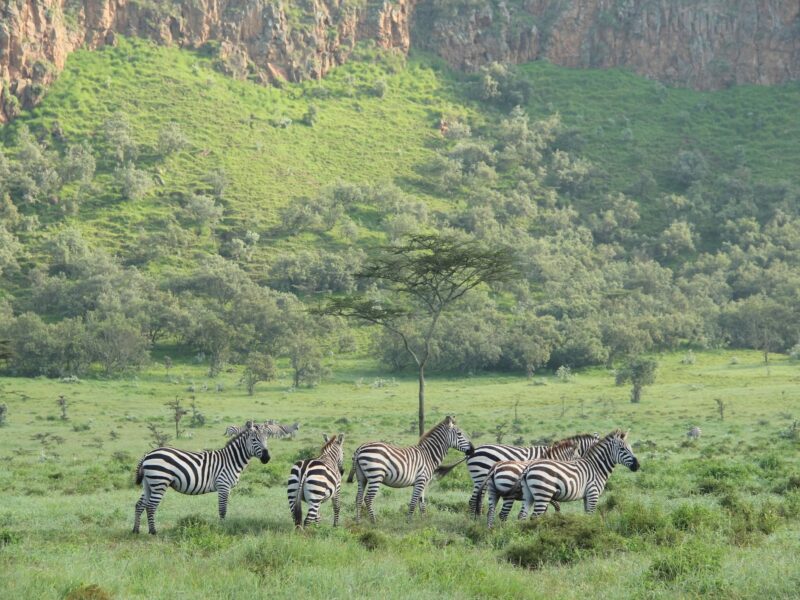
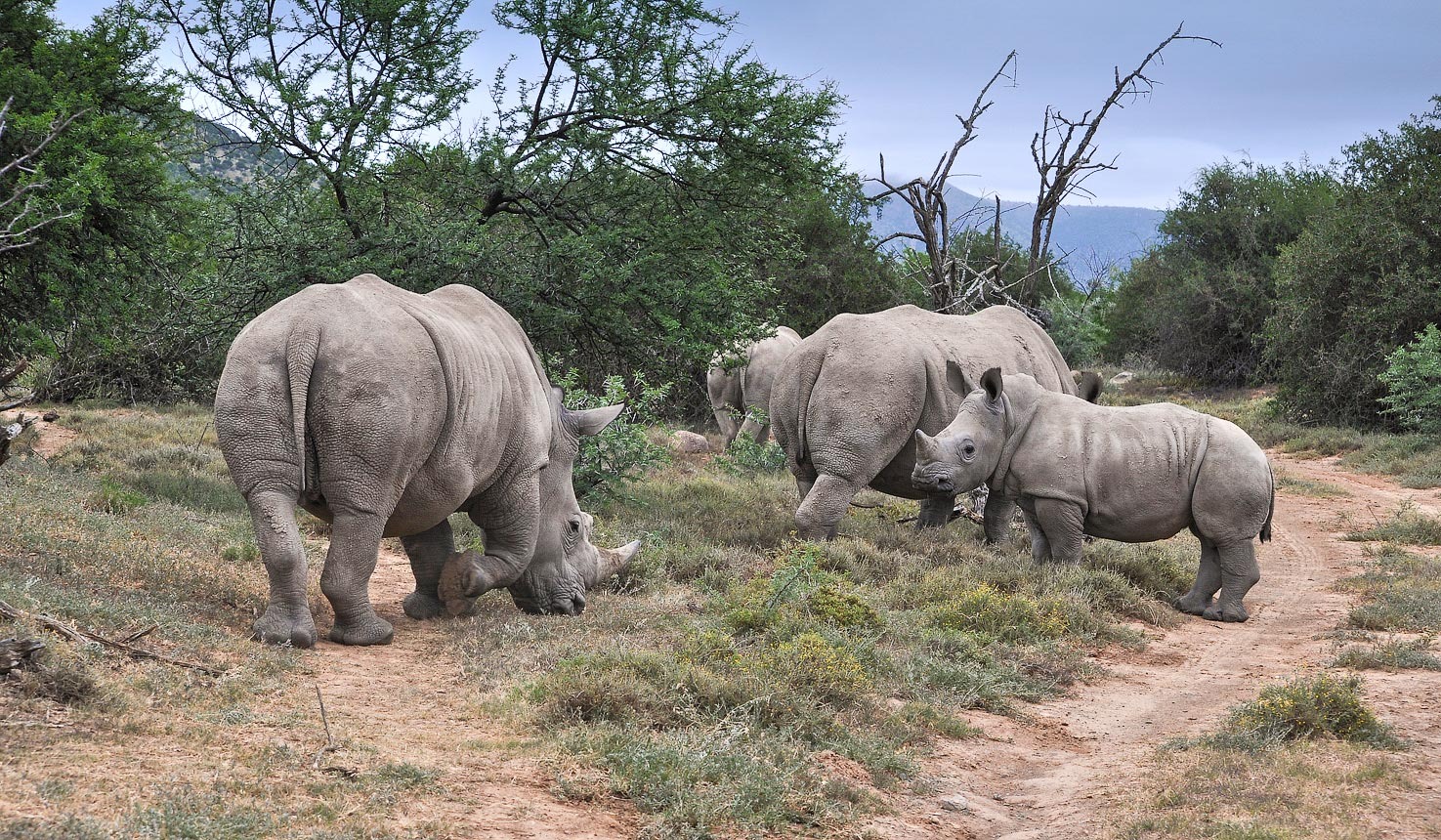
Kenya is home to the Big Five — lion, leopard, elephant, buffalo, and rhino — and offers some of the best Big Five viewing in Africa. The Maasai Mara is particularly renowned for its predator density, including the highest concentration of lions on earth, along with healthy populations of leopard and cheetah. Amboseli offers the finest elephant viewing on the continent. Lake Nakuru is one of Africa’s best destinations for rhino. Beyond the Big Five, Kenya’s parks harbour giraffe, zebra, wildebeest, hippo, crocodile, and over 1,000 bird species. Samburu adds rare northern species — Grevy’s zebra, reticulated giraffe, Beisa oryx, gerenuk, and Somali ostrich — found nowhere else in Kenya.
We recommend a minimum of seven days for a Kenya safari that allows you to experience more than one ecosystem meaningfully. A seven-day itinerary covering the Maasai Mara, Lake Nakuru, and Amboseli gives you time to settle into each location, follow sightings properly, and absorb the different character of each park. Nine to ten days allows for a more unhurried pace and the option to add Samburu or a second destination. If you are combining Kenya with Tanzania, twelve to fourteen days is ideal. We design every itinerary around your available time — even a five-day Kenya safari, focused exclusively on the Maasai Mara, can be deeply rewarding when planned well.
Most international visitors, including citizens of the US, UK, EU member states, Canada, and Australia, can obtain a Kenya Electronic Travel Authorisation (eTA) online before arrival. The eTA has replaced the traditional visa-on-arrival system and is processed through the official Kenya eCitizen portal. We recommend applying at least two weeks before travel. Requirements and fees can change, so we always advise checking the latest guidance from the Kenya Immigration Service or your country’s foreign affairs department as your travel date approaches.
Light, neutral-coloured clothing (khaki, olive, beige, tan) is ideal for game drives — bright colours and white can disturb wildlife and show dust. Layers are important as mornings and evenings can be cool, particularly in the Mara and at altitude. A good-quality wide-brimmed hat, SPF 50 sunscreen, insect repellent, and binoculars are essential. A camera with a telephoto lens — or simply a modern smartphone — will serve you well. Most camps have laundry facilities on longer safaris. We send every client a detailed packing list specific to their itinerary and season.
Absolutely — and many of our clients do. A combined Kenya and Tanzania safari allows you to experience the full Great Migration circuit — the Maasai Mara’s northern phase and the Serengeti’s vast central and southern phases — as well as the contrasting landscapes of Amboseli, Ngorongoro Crater, and Tanzania’s remote southern parks. Kenya and Tanzania share a border in the Mara-Serengeti ecosystem, making a combined itinerary logistically straightforward. We design these journeys as a single seamless experience, not two separate trips stitched together.
Have a question we haven’t answered?
Tell us when you’d like to travel and what matters most. We’ll design something around you — at no cost or obligation.
Tell us about your vision. We'll be in touch within 24 hours.
Your details are kept private and never shared with third parties.