Dedicated wildlife enthusiasts, travellers wanting a slower, deeper circuit
Duration12 Days
From$13,500
Safari Overview
About This Safari
Most safaris in Kenya typically showcase one or two ecosystems effectively. However, this particular safari highlights five distinct ecosystems thoroughly, allowing you to appreciate each one without feeling rushed. Over the course of twelve days, private light-aircraft transfers will take you from the outskirts of Nairobi, north through Laikipia’s rhino sanctuaries, into the arid wilderness of Samburu, on to the remote and seldom-visited plains of Meru, and finally south to the expansive grasslands of the Maasai Mara.
This safari focuses on species you won’t find on a standard itinerary: the world’s last two northern white rhinos in Laikipia, the unique Samburu Special Five that can only be observed in this region of Kenya, Meru’s rhino sanctuary, with its Born Free history, alongside the classic Big Five game that the Mara is renowned for. You’ll stay at five carefully selected camps, each chosen for a specific reason rather than mere convenience. These include a rhino conservancy lodge, an ultra-luxury tented camp overlooking a river valley, a hillside retreat nestled in granite rock, and a lodge perched on the edge of the Great Rift Valley itself.
Throughout your journey, a private guide and vehicle will accompany you in each region. All internal flights are arranged and included, so your only decision will be how long to linger at each waterhole.
Safari Highlights
Five distinct ecosystems in one circuit — Laikipia, Samburu, Meru and the Maasai Mara
Visit to Ol Pejeta Conservancy, East Africa's largest black rhino sanctuary
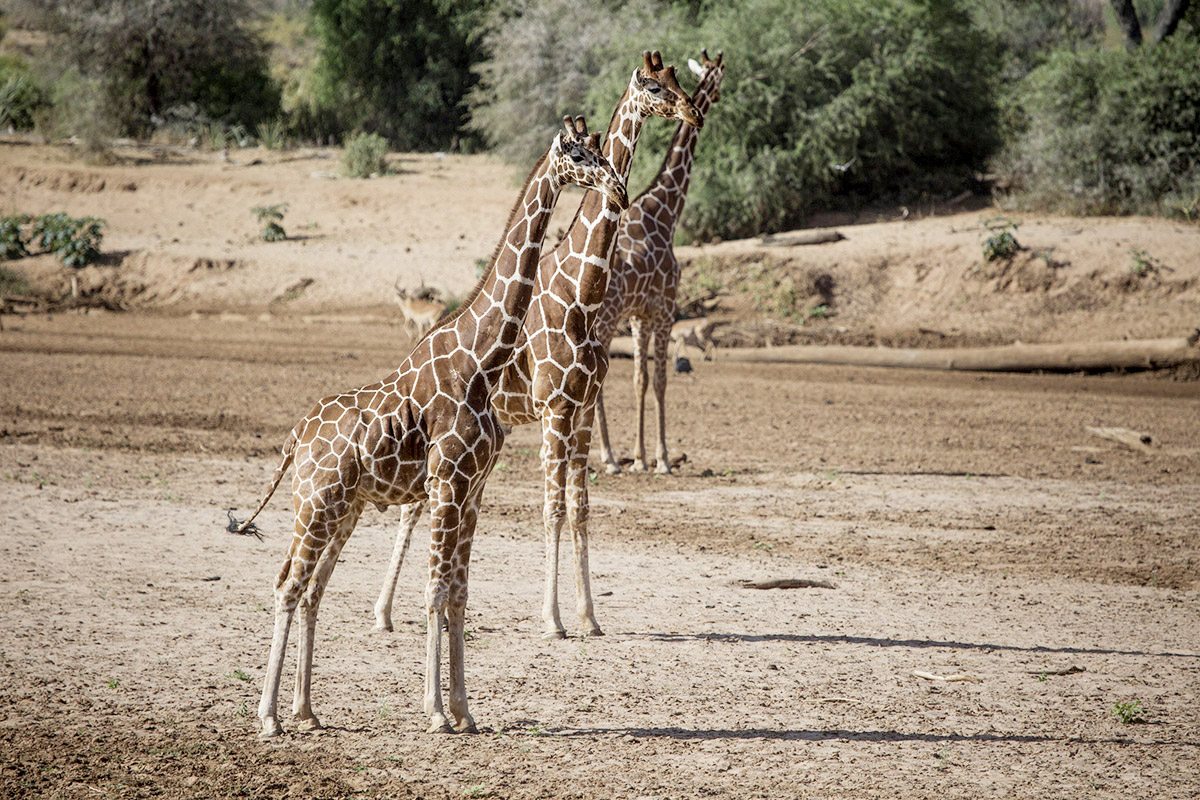
The Samburu Special Five — Grevy's zebra, reticulated giraffe, gerenuk, Beisa oryx and Somali ostrich
Meru National Park's rhino sanctuary and the original site of George and Joy Adamson's Born Free story
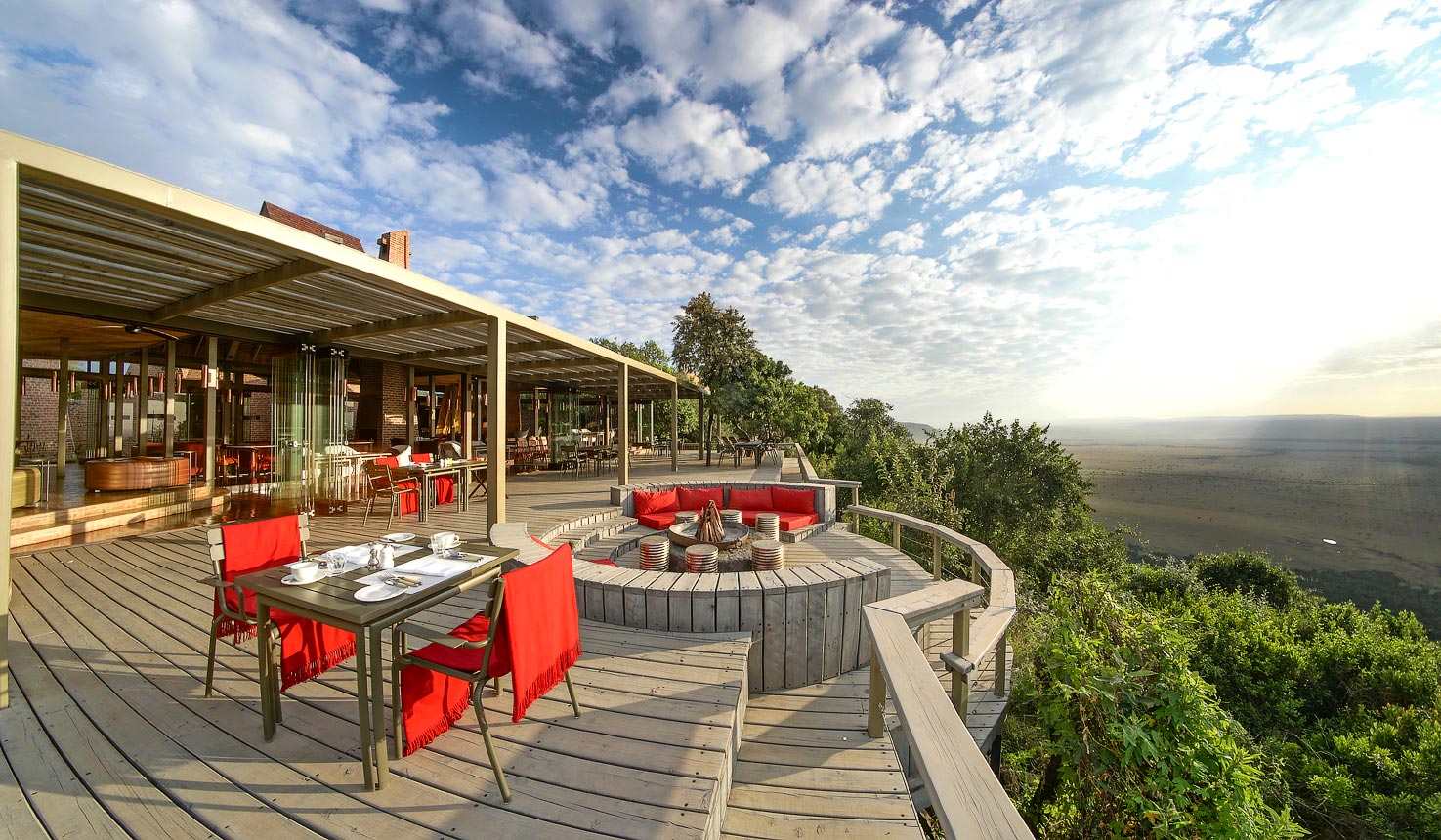
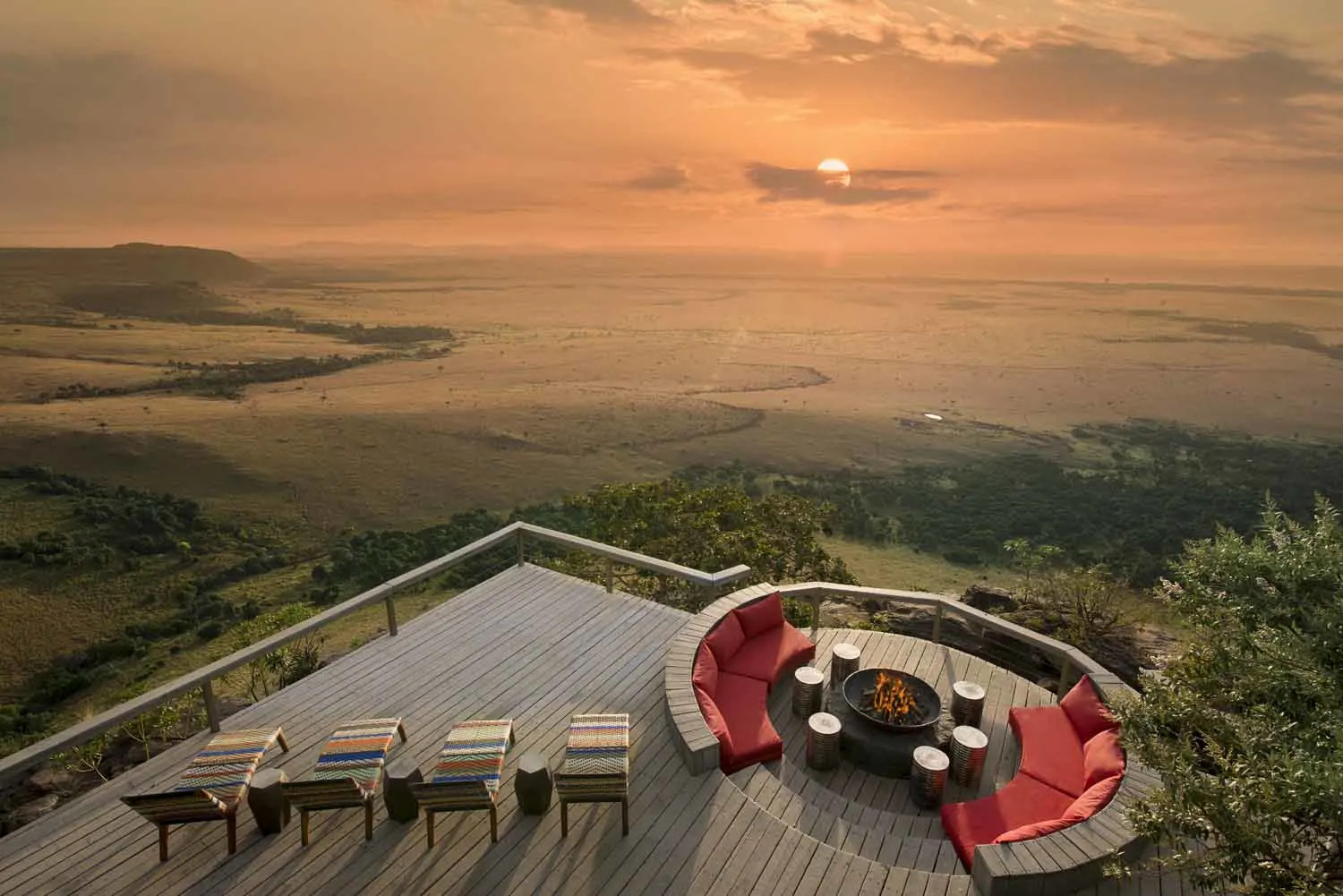
A lodge perched on the edge of the Great Rift Valley's Oloololo Escarpment, overlooking the Maasai Mara
A morning game drive in Nairobi National Park and a visit to the David Sheldrick Wildlife Trust
Private 4×4 vehicle and dedicated guide throughout each region
All internal flights between destinations included
Day by Day
Your Safari Itinerary
We will begin with a meet-up with our specialised driver-guide for a safari briefing before heading directly into Nairobi National Park. This park is unique as it is the only national park that borders a capital city, and it is one of the best places in Kenya to spot black rhinos against a backdrop of distant skyscrapers. After our game drive, we will visit the David Sheldrick Wildlife Trust to see the rescued orphaned elephants and rhinos. Later, we will check into our camp, where you can enjoy the afternoon at your leisure before an early night in preparation for tomorrow’s flight north.
Nairobi Tented Camp, Karen
B
L
D
A short morning flight takes you to Nanyuki, where you can see Mount Kenya from the wingtip on a clear day. You will then transfer to Ol Pejeta Conservancy, which is East Africa’s largest black rhino sanctuary and home to Najin and Fatu, the last two northern white rhinos left on Earth. After enjoying lunch at the camp, you will embark on an afternoon game drive across the conservancy’s open plains. There is a strong chance of spotting lions, elephants, and both rhino species during this excursion.
Porini Rhino Camp
B
L
D
A full day inside the conservancy, built around its two founding conservation stories: a visit to the dedicated enclosure for Najin and Fatu, and to the Sweetwaters Chimpanzee Sanctuary, Kenya’s only refuge for chimpanzees rescued from the pet and bushmeat trade. Ol Pejeta is also one of the few places in Kenya where night game drives are permitted, using filtered spotlights to find species that stay hidden by day — worth arranging for this evening if it appeals.
Porini RIver Camp
B
L
D
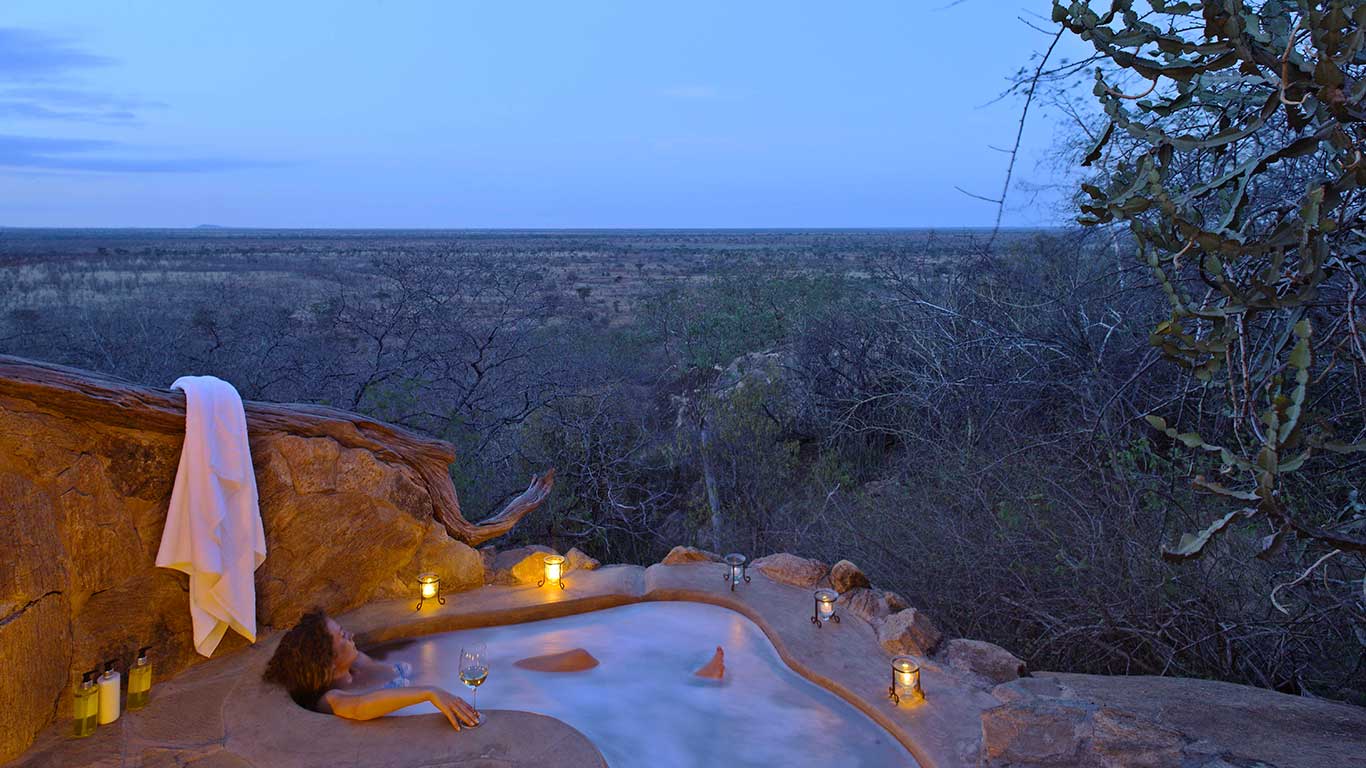
A short flight north carries you into a visibly different Kenya — the green highlands give way to arid, ochre-toned scrubland along the Ewaso Nyiro River. Arriving at Sasaab in the early afternoon, each suite has its own plunge pool looking out over the river valley toward the Laikipia Plateau. The afternoon’s first game drive introduces the Samburu Special Five: species found only in this arid northern region and nowhere else on a standard Kenya circuit.
Sasaab
B
L
D
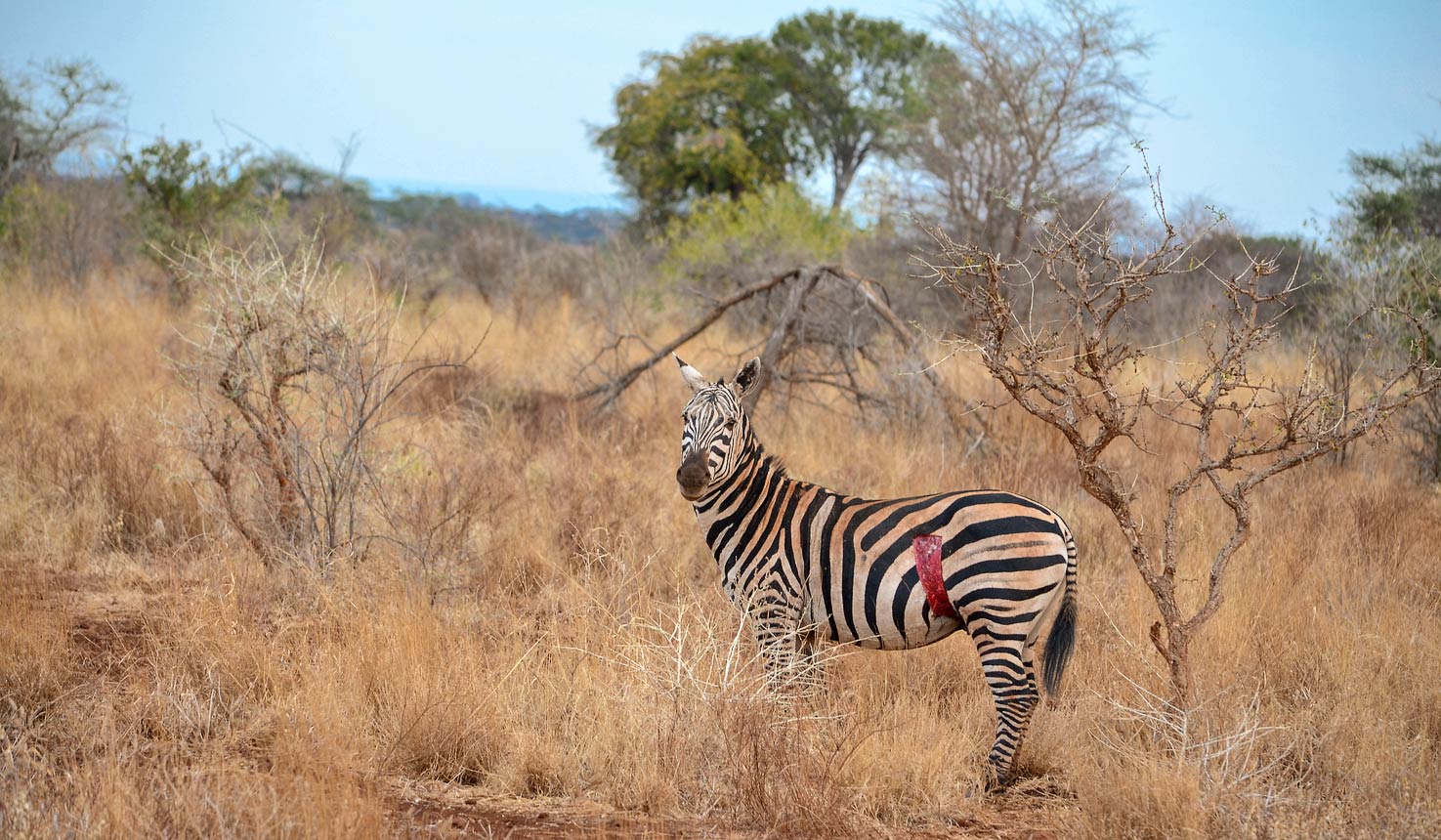
Spend a full day devoted to the Special Five: Grevy’s zebra, reticulated giraffe, gerenuk, Beisa oryx, and Somali ostrich, all while enjoying the company of the region’s significant elephant population along the Ewaso Nyiro River. In the afternoon, visit a Samburu community to learn about a culture that is distinct from the Maasai further south, complete with its own unique dress, beadwork, and pastoral traditions.
Sasaab
B
L
D
Experience a guided walking safari along the Ewaso Nyiro River during the cool morning hours. You’ll have the opportunity to track animal tracks and discover the finer details of the environment that a vehicle often overlooks. Afterwards, enjoy a relaxing afternoon at camp beside the plunge pool. Conclude your day with a final game drive as the golden light settles over the river.
Sasaab
B
L
D
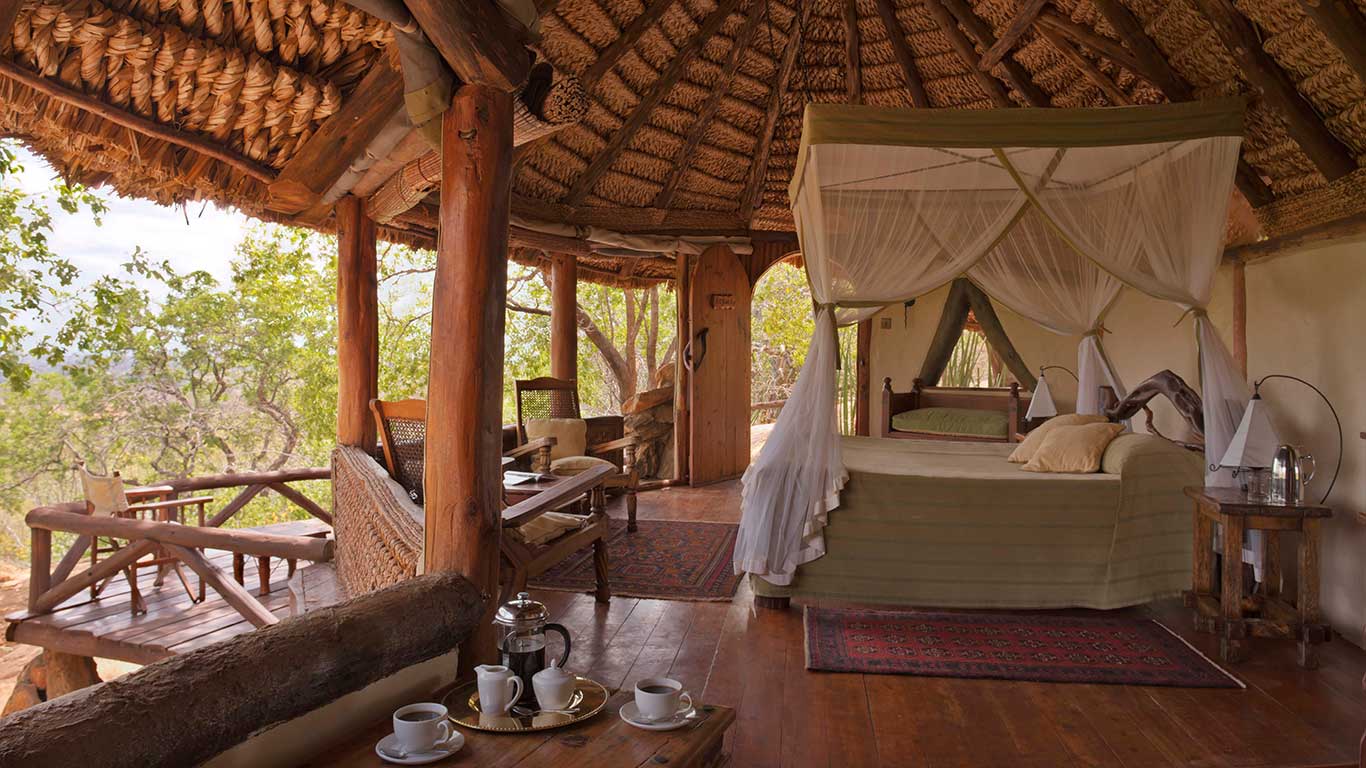
A brief flight east will take you to one of Kenya’s least visited parks, Meru. This park features a diverse landscape of riverine forests, swamps, and open plains, attracting far fewer vehicles than the Mara. Elsa’s Kopje is nestled into the granite hillside of Mughwango Hill, directly above the spot where George and Joy Adamson raised and released Elsa, the famous lioness from “Born Free.” Upon arrival, you’ll enjoy an afternoon game drive through Meru’s varied terrain.
Elsa's Kopje
B
L
D
Meru’s rhino sanctuary spans approximately 84 square kilometres within the park and is home to around 70 white rhinos and 30 black rhinos, making it one of Kenya’s most robust rhino populations outside of Laikipia, all in an area that remains largely free of crowds. The day also focuses on the Adamsons’ story, allowing time to visit the original campsite below the lodge and learn how Meru’s near collapse due to poaching in the 1980s and 90s was successfully reversed.
Elsa's Kopje
B
L
D
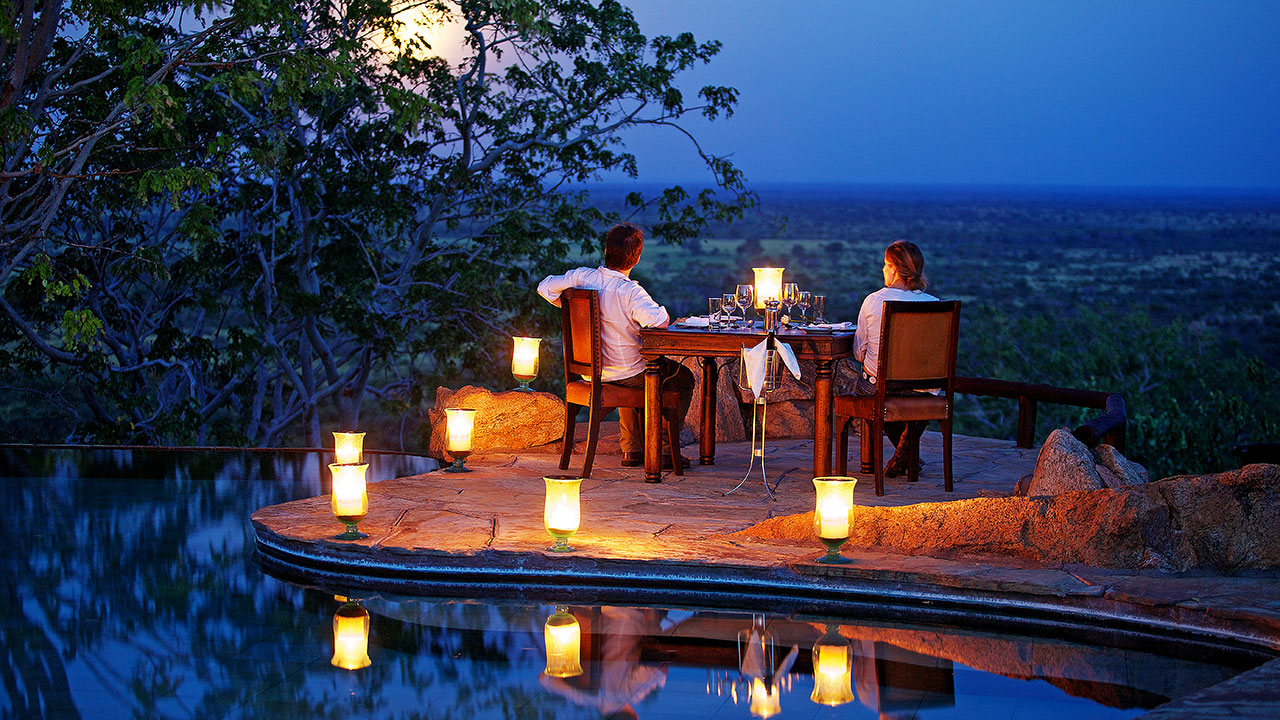
The longest part of the safari involves a transfer that returns through Nairobi before continuing to the Mara. This is the only segment of the trip without a direct flight connection. You’ll arrive at Angama Mara in the afternoon, where the lodge is perched on the edge of the Oloololo Escarpment, offering stunning views of the Mara Triangle nearly a thousand feet below. To conclude the day, an evening game drive into the Triangle is planned.
Angama Mara
B
L
D
A full day in the Mara Triangle offers an immersive experience in the reserve’s western section, which is managed separately from the rest of the Maasai Mara. This area is known for its lower vehicle density at wildlife sightings. Game drives explore open plains and riverine forests along the Mara River, where you’ll find strong resident populations of lions, elephants, and buffalo throughout the year. Additionally, from roughly July to October, visitors can witness the herds of the Great Migration during that time frame.
Angama Mara
B
L
D
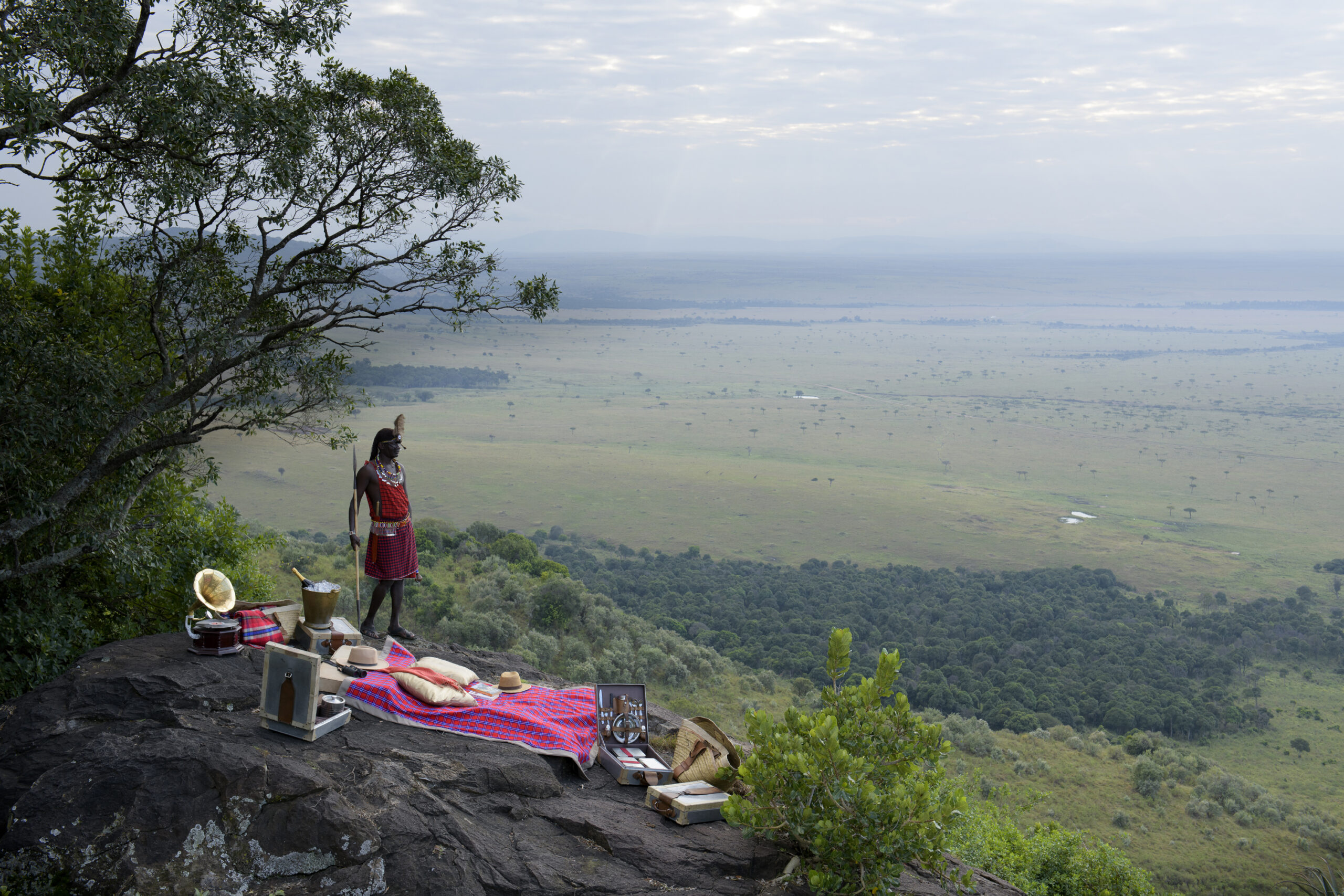
Experience a guided walking safari along the Oloololo Escarpment in the morning, offering a unique perspective of the Mara that most guests only see from a vehicle. In the afternoon, visit a local Maasai community. As the last full day of the safari comes to a close, enjoy a final sundowner on the edge of the escarpment, with the breathtaking Mara Triangle spread out below as the light fades.
Angama Mara
B
L
D
A final early morning game drive before the short flight back to Nairobi, with transfer either to Jomo Kenyatta International Airport for an onward flight, or to a Nairobi hotel for those extending their stay. Twelve days, five ecosystems, and a country that rarely lets first-time visitors leave with only one story to tell.
B
L
D
What's Covered
Inclusions & Exclusions
What's Included
Eleven nights across five handpicked properties
All internal flights between Nairobi, Laikipia, Samburu, Meru, and the Maasai Mara
Private 4×4 safari vehicle with dedicated expert guide in each region
Professional English-speaking guiding throughout
Personal meet-and-greet on arrival
Nairobi National Park morning game drive and David Sheldrick Wildlife Trust visit
All park entrance, conservancy, and rhino/chimpanzee sanctuary fees
Full-board accommodation throughout
Bottled drinking water during game drives
Airport transfers
Not Included
International flights
Visa fees and travel insurance
Optional activities with third-party surcharges (night game drives at Ol Pejeta, hot air balloon safari in the Mara)
Personal expenses and gratuities
Alcoholic and specialty beverages, unless specified by individual camps
Investment
Pricing & Seasons
All pricing is per person and subject to availability. We are happy to discuss group rates, family pricing, or tailor a package to your exact budget.
Season / Category
Price (USD)
Notes
Per Person Sharing, Standard Season
From USD 13,500
Based on double/twin occupancy; single supplement available on request
Per Person Sharing, Peak Season (Jul–Sep, late Dec)
On Request
Reflects higher Angama Mara peak rates
Reservation
40% deposit
Confirms your dates; balance due 7 days before departure
Custom Itinerary
On request
Add extra nights at any camp, extend to the coast, or adjust the pace
Ready to book or want a personalised quote?
Good to Know
Frequently Asked Questions
This itinerary is built for travellers who've likely done a first Kenya safari already, or who want real depth over a shorter list of stops. Laikipia, Samburu, and Meru each hold species and landscapes the classic circuit doesn't reach — rhino sanctuaries at scale, the Samburu Special Five, and one of Kenya's least-visited parks — before finishing in the Mara for the wildlife density it's famous for.
No — it's designed as a slow safari specifically to avoid long driving days. Every regional transfer is by light aircraft rather than road, and most days allow a genuinely unhurried pace rather than back-to-back activity.
Kenya's dry seasons (roughly June–October and January–February) generally offer the clearest conditions across all five regions. Travelling July through October adds the possibility of the Great Migration in the Mara, though this comes with higher rates at several camps, including Angama Mara.
A mix, depending on the route — some legs run on standard scheduled services between well-connected airstrips, while others (particularly Samburu to Meru, and the return leg through Nairobi to the Mara) may need to be chartered. Ayal arranges and confirms the specific routing once dates are set.
Yes. The most common adjustment is trimming a night from Samburu or Laikipia to shorten the trip to 9–10 days, or extending the Mara stay if travelling during migration season.
Worth confirming with a travel health clinic several weeks ahead, particularly for yellow fever and malaria precautions — several of these regions (Samburu and Meru especially) warrant more specific guidance than a Nairobi-and-Mara-only trip.
Photography
Safari Gallery
Begin Here
Ready to Make This Yours?
This itinerary is a starting point. We will adjust every detail — dates, accommodations, pace, and add-ons — around your vision. No cost, no obligation.