Nairobi • Laikipia • Samburu • Meru • Maasai Mara
Wildlife Enthusiasts, Culture Encounters
Tanzania’s northern circuit has a reputation for two things at once: extraordinary wildlife, and vehicles queued three-deep at the best sightings. This itinerary keeps the wildlife and loses the queue — built around Tarangire’s ancient baobabs and elephant herds, an afternoon with the Hadzabe at Lake Eyasi, one of the last hunter-gatherer communities on Earth, the concentrated drama of Ngorongoro Crater, and finally the Serengeti itself, reached not through its busiest gate but through two of its quietest corners.
Twelve days moves at a genuinely unhurried pace: two nights at each of the smaller stops, five spent across the Serengeti’s western Grumeti corridor and northern Kogatende sector, where private concessions and low vehicle density make the difference between watching wildlife and watching other people’s vehicles. A private guide and 4×4 travel with you throughout, with the shorter Rift Valley legs covered by road — part of the experience rather than a delay — and one flight north into the Serengeti to skip the long overland alternative entirely.
Landing at Kilimanjaro International Airport, it’s a short transfer to Hatari Lodge, set on the northern edge of Arusha National Park — a small, characterful lodge built on the former film set of the 1962 movie “Hatari!,” with Mount Kilimanjaro visible across the Momella meadow. Arusha is one of the only parks on this route where walking safaris are permitted, since there are no lions here; the afternoon is spent on a guided walk toward Ngurdoto Crater, watching for the park’s dense colobus monkey population and some of the highest giraffe densities in Africa, before an evening canoe out on the Momella Lakes.
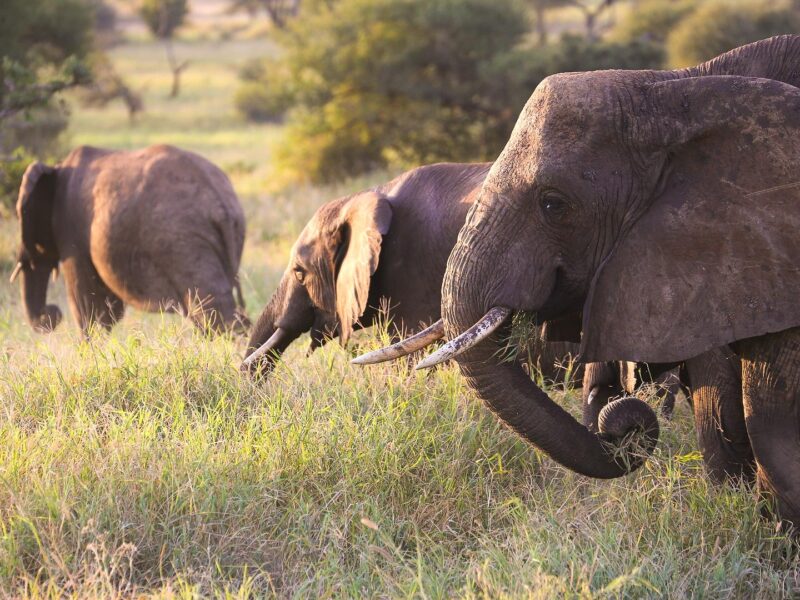
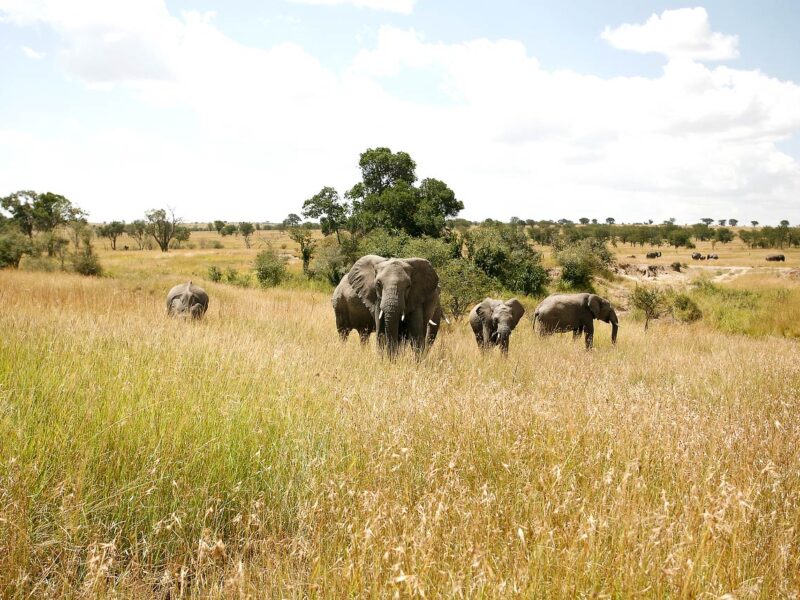
A scenic two-hour drive south brings you into Tarangire, a park defined by ancient baobab trees and one of Tanzania’s largest elephant populations, drawn to the Tarangire River through the dry season. Settle into camp for lunch before an afternoon game drive along the riverbank, where elephant herds numbering in the hundreds are a common sight between June and October.
A full day exploring Tarangire’s swamps and baobab-studded plains, with strong resident populations of elephant, lion, leopard, and a striking density of birdlife — over 550 species recorded in the park. Oliver’s Camp specializes in walking safaris; a guided morning walk is a strong option for those wanting a change of pace from the vehicle.
A drive of roughly two to three hours brings you to the shores of Lake Eyasi, at the base of the Rift Valley escarpment. In the late afternoon, join a Hadzabe community for a walk that traces their traditional hunting and foraging practice, followed by a fireside conversation through a local translator. The Hadzabe are one of the last hunter-gatherer societies left in Africa, with a language and way of life that predates agriculture in the region entirely.
A morning visit to a Datoga blacksmith community, which is distinct from both the Hadzabe and the Maasai, reveals their craftsmanship in metalwork and jewellery. Afterwards, we will drive up to the Ngorongoro Highlands. When we arrive at the crater rim in the afternoon, the lodge’s stunning location—overlooking the caldera with the crater floor visible far below—is worth the slow final approach.
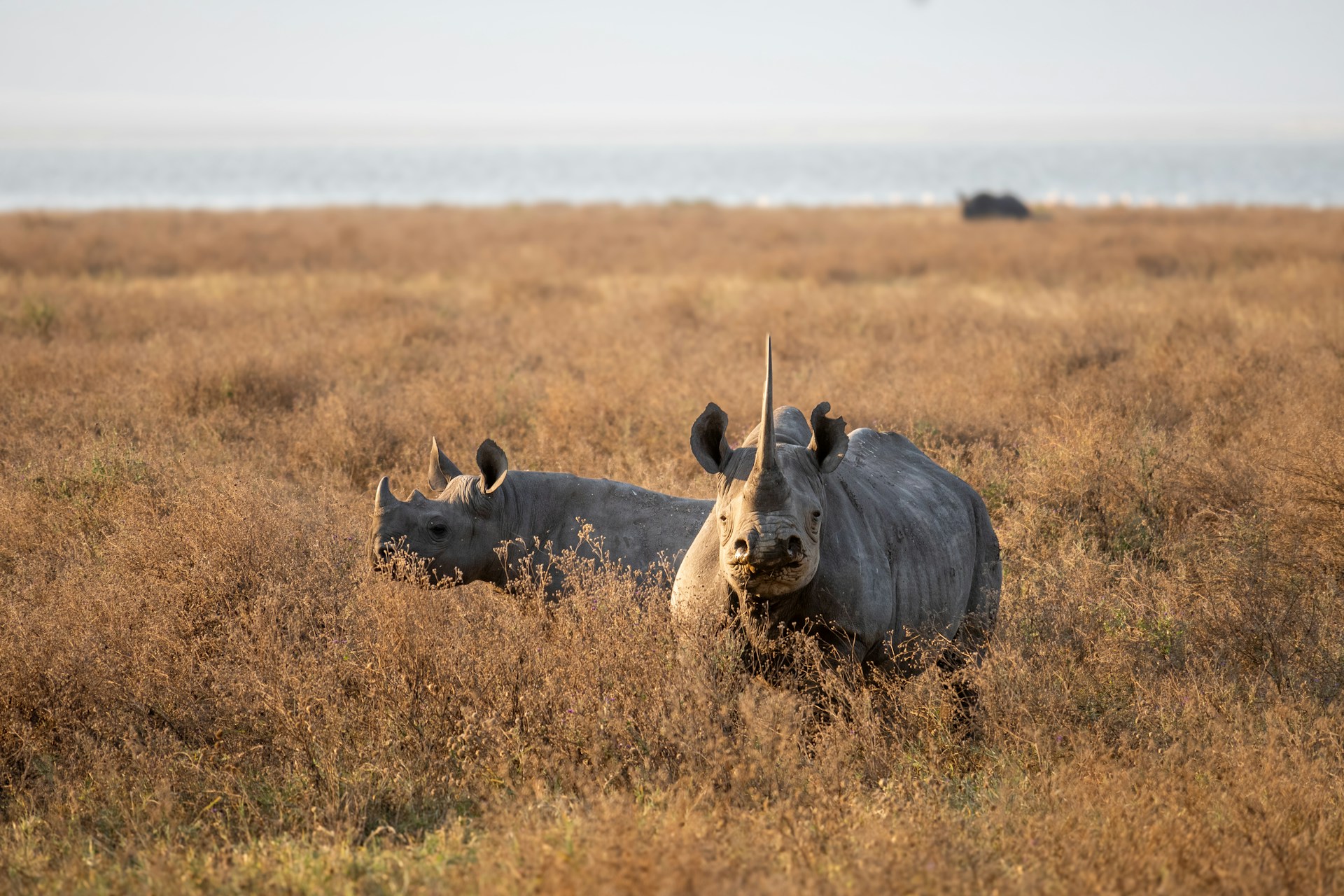
An early descent onto the crater floor is planned to avoid the mid-morning cluster of vehicles that often crowd the area. Ngorongoro Crater is home to one of East Africa’s most reliable populations of black rhinos, with approximately 20 to 30 individuals residing within the caldera walls. In addition, the crater hosts dense populations of lions, elephants, and other members of the Big Five, all within a single enclosed area of 260 square kilometres. A full day in the crater allows visitors to explore its distinct habitats, including open grasslands, the yellow-barked fever trees of Lerai Forest, and the shallow soda flats of Lake Magadi.

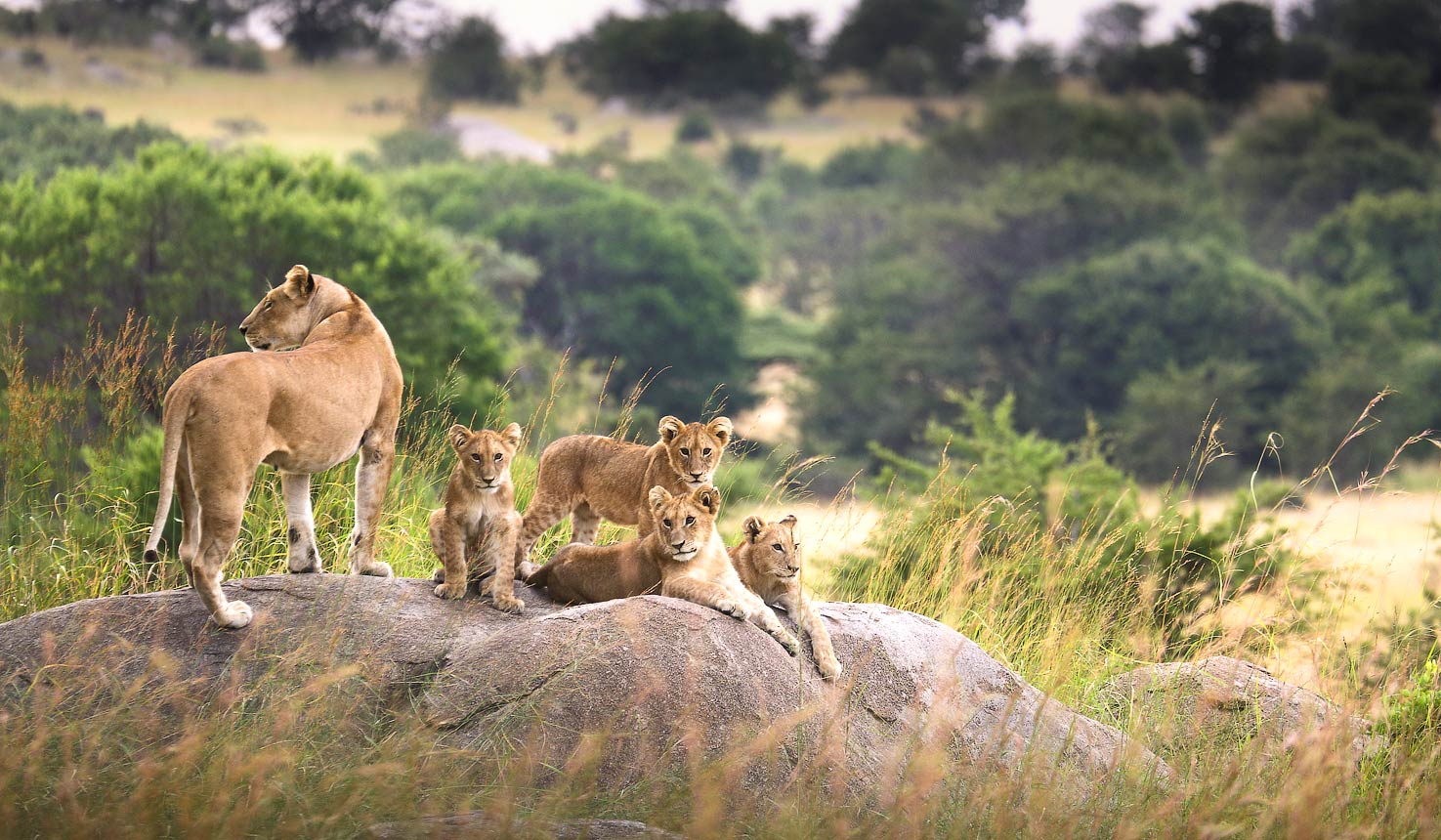
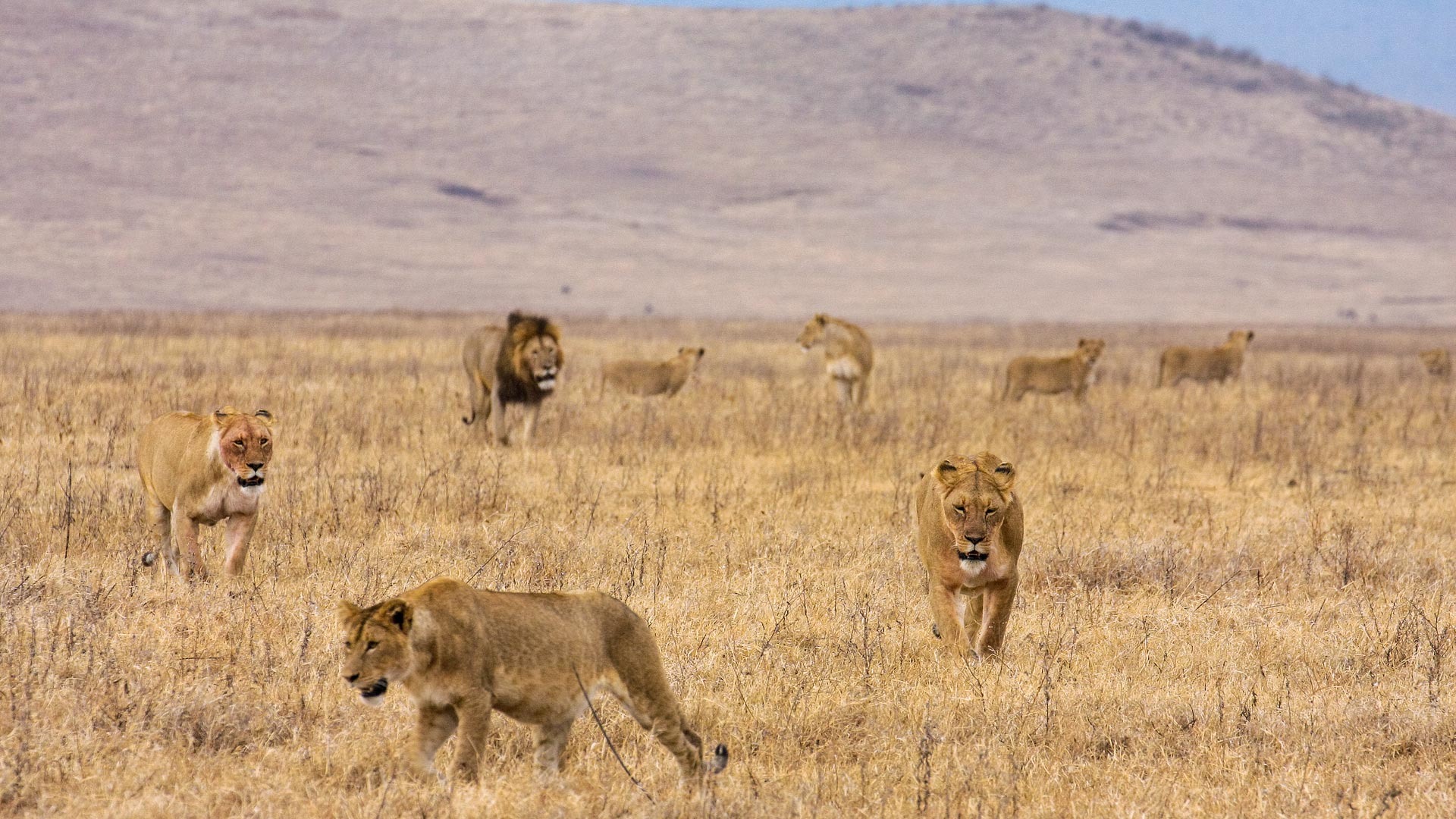
A flight from the Ngorongoro area into the Grumeti Reserve — a private concession on the Serengeti’s western edge limited to only a handful of small camps, with visitor numbers in the area capped at a level the central Serengeti simply doesn’t match. Grumeti’s lion prides are among the largest in East Africa, with resident groups of twenty or more individuals. Arriving in time for lunch, the afternoon’s first game drive covers riverine forest and open woodland along the Grumeti River, watching for the lion, elephant, and colobus monkey the private concession is known for. Because Grumeti sits outside the national park boundary, guided walks and night drives are both possible here — activities the Serengeti itself doesn’t permit.
Experience a full day in the Grumeti concession, which includes the option of a guided walking safari in the morning—a rare opportunity within the Serengeti ecosystem at this depth—and a vehicle game drive in the afternoon. From May to July, migration herds pass through this corridor towards the Grumeti River crossings. Even outside of these months, the resident wildlife makes a leisurely exploration worthwhile.
Take a short flight north to Kogatende, which borders Kenya’s Maasai Mara and boasts the highest concentration of elephants in the Serengeti. This area is noticeably quieter than the central Serengeti outside the July to October river-crossing season, during which it becomes the setting for the iconic Mara River crossings featured in many wildlife documentaries about East Africa. After settling into camp in the early afternoon, the first game drive explores the rolling, kopje-studded terrain that defines this northern region.
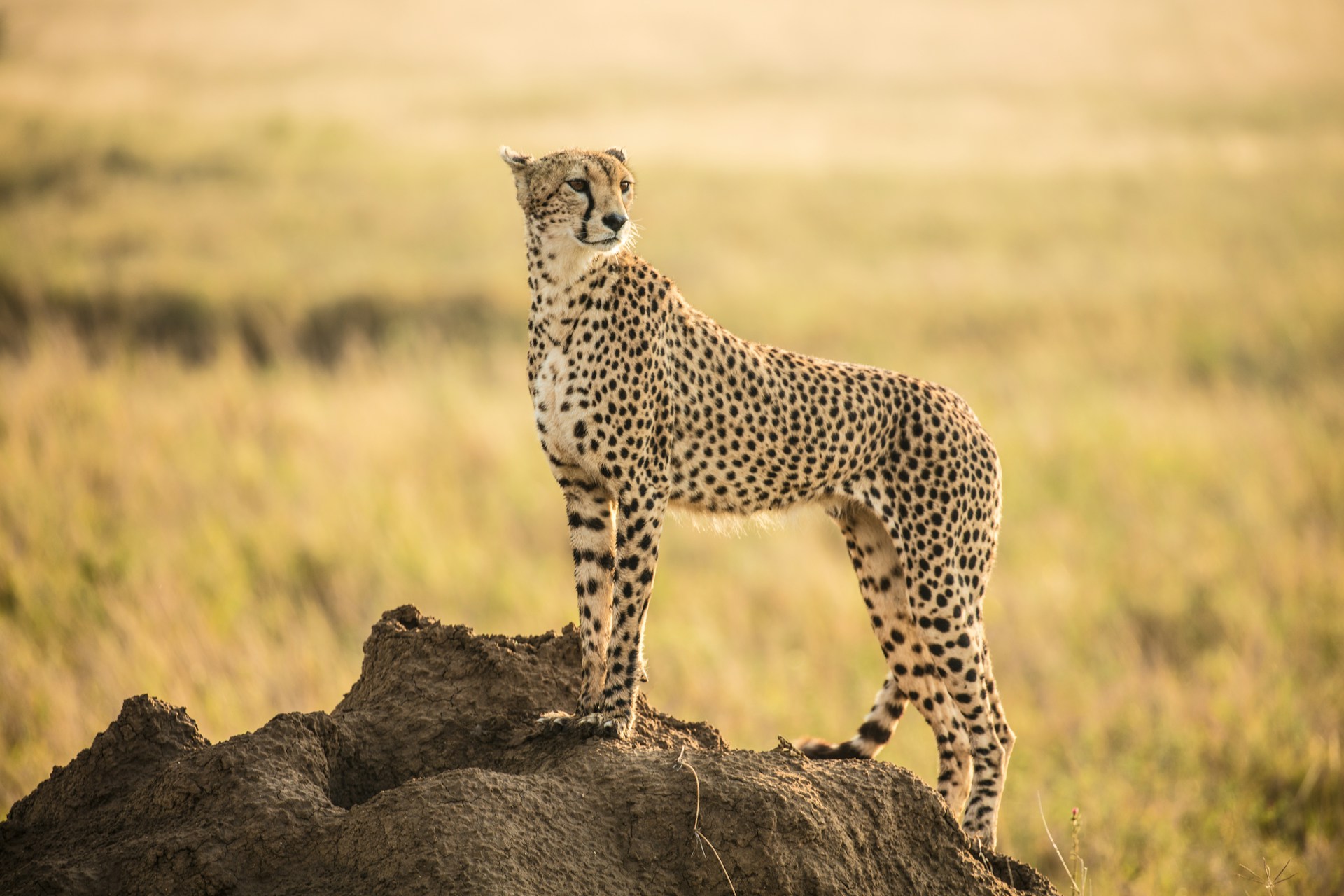
A full day exploring the Mara River area and its surrounding kopjes, with strong year-round sightings of lion, elephant, cheetah, and leopard, and — for travellers visiting between roughly July and October — the possibility of witnessing a river crossing. Crossings can’t be scheduled or guaranteed; a good guide reads the herds’ movement day by day rather than promising a specific outcome.
You will enjoy a final full day in the north, giving you the option to spend the morning on a game drive and the afternoon relaxing at camp. After ten days of exploring five distinct landscapes, this day is intentionally designed to be less eventful, allowing you to unwind in one of the least crowded corners of the entire safari.
A final morning game drive before the flight back to Arusha, connecting on to Kilimanjaro International Airport for an onward flight, or to a hotel for those extending their stay. Twelve days, five landscapes, and, deliberately, very few other safari vehicles along the way.
All pricing is per person and subject to availability. We are happy to discuss group rates, family pricing, or tailor a package to your exact budget.
| Season / Category | Price (USD) | Notes |
|---|---|---|
| Per Person Sharing, General Season | From USD 12,800 | Based on double/twin occupancy; single supplement available on request |
| Per Person Sharing, Migration Season (Jul–Oct) | On request | Reflects higher Kogatende-area demand and rates |
| Reservation | 40% deposit | Confirms your dates; balance due 7 days before departure |
| Custom Itinerary | On request | Add a Zanzibar extension, swap in Lake Manyara, or adjust the Serengeti split |
Ready to book or want a personalised quote?
Central Serengeti (the Seronera area) is the most visited part of the park and can mean noticeably more vehicles at any given sighting. Grumeti, on the western edge, is a private concession limited to a handful of camps; Kogatende, in the north, is quieter than the central park outside peak migration months. Both sit within the same Serengeti ecosystem, this itinerary simply avoids its busiest corner.
Yes, though it's built with a specific traveller in mind — someone who wants the classic Tanzania wildlife (Ngorongoro's rhino, the Serengeti) but isn't drawn to the busiest version of the standard circuit. First-timers who specifically want to avoid vehicle congestion at sightings tend to get the most out of this route.
Tanzania's dry seasons (roughly June–October, and a shorter window in January–February) generally offer the clearest game viewing. Visiting July through October adds the possibility of the Mara River crossings at Kogatende, though this is also the highest-demand period for that camp specifically.
Ayal only arranges these visits through the Hadzabe's own community structures, with a portion of the visit fee going directly to the community rather than a third-party operator. It's framed as a conversation and shared walk, not a staged performance — worth discussing directly with Ali if you'd like more detail on how a specific visit is arranged.
Yes. A common adjustment is trimming a night from Grumeti or Kogatende to bring the trip to 10–11 days, or extending Kogatende specifically for migration-season travel, since river crossings can't be scheduled and extra time improves the odds.
Worth confirming with a travel health clinic several weeks ahead, particularly regarding yellow fever and malaria precautions across all five regions on this route.
This itinerary is a starting point. We will adjust every detail — dates, accommodations, pace, and add-ons — around your vision. No cost, no obligation.
Tell us about your vision. We'll be in touch within 24 hours.
Your details are kept private and never shared with third parties.