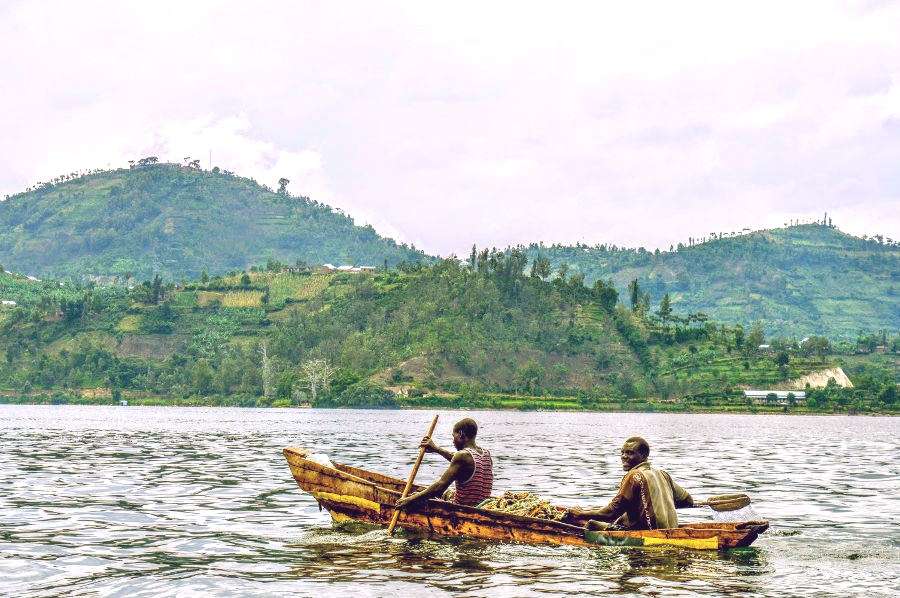
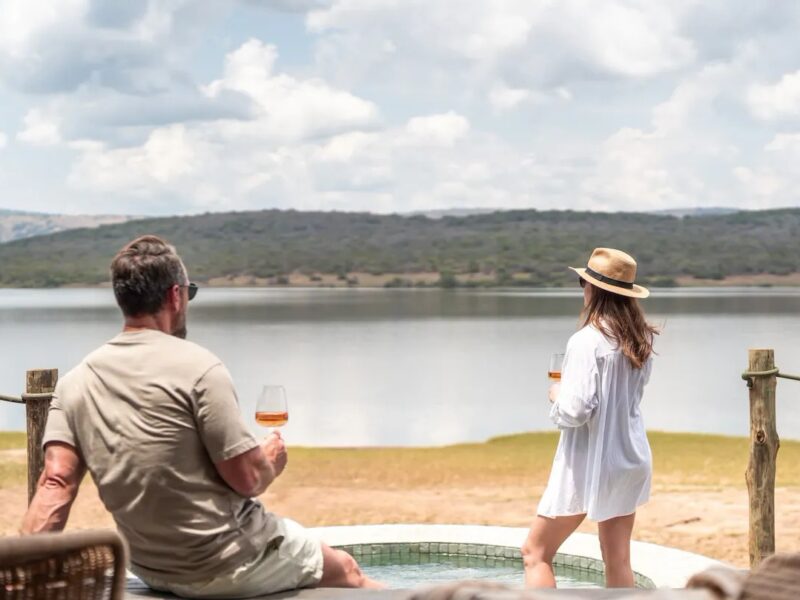
Lake Kivu, Karongi, Musanze, Volcanoes National Park, Kigali
The Land of a Thousand Hills
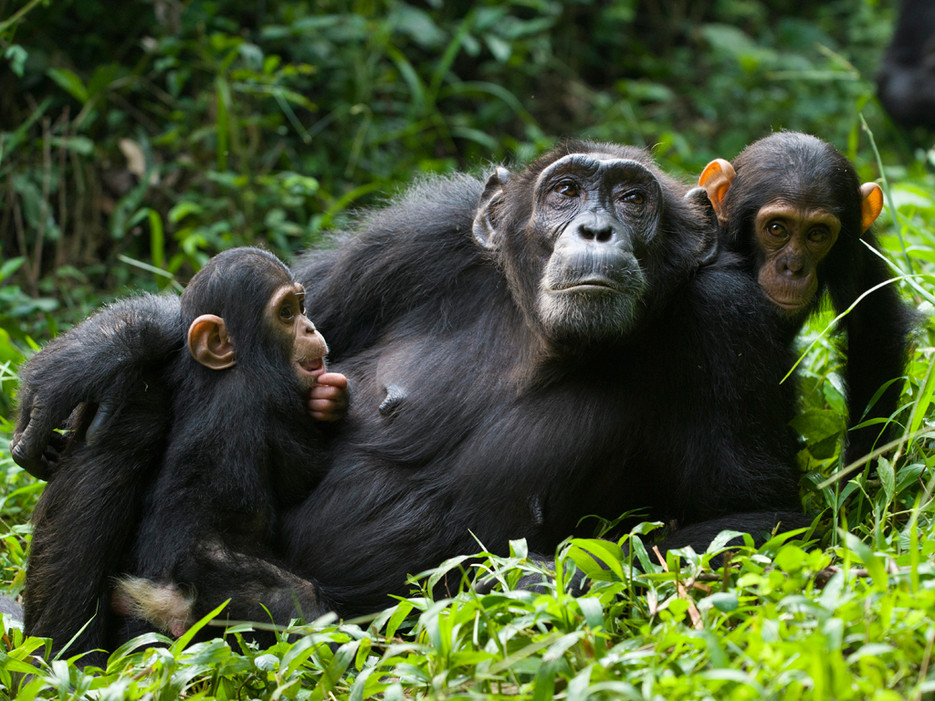
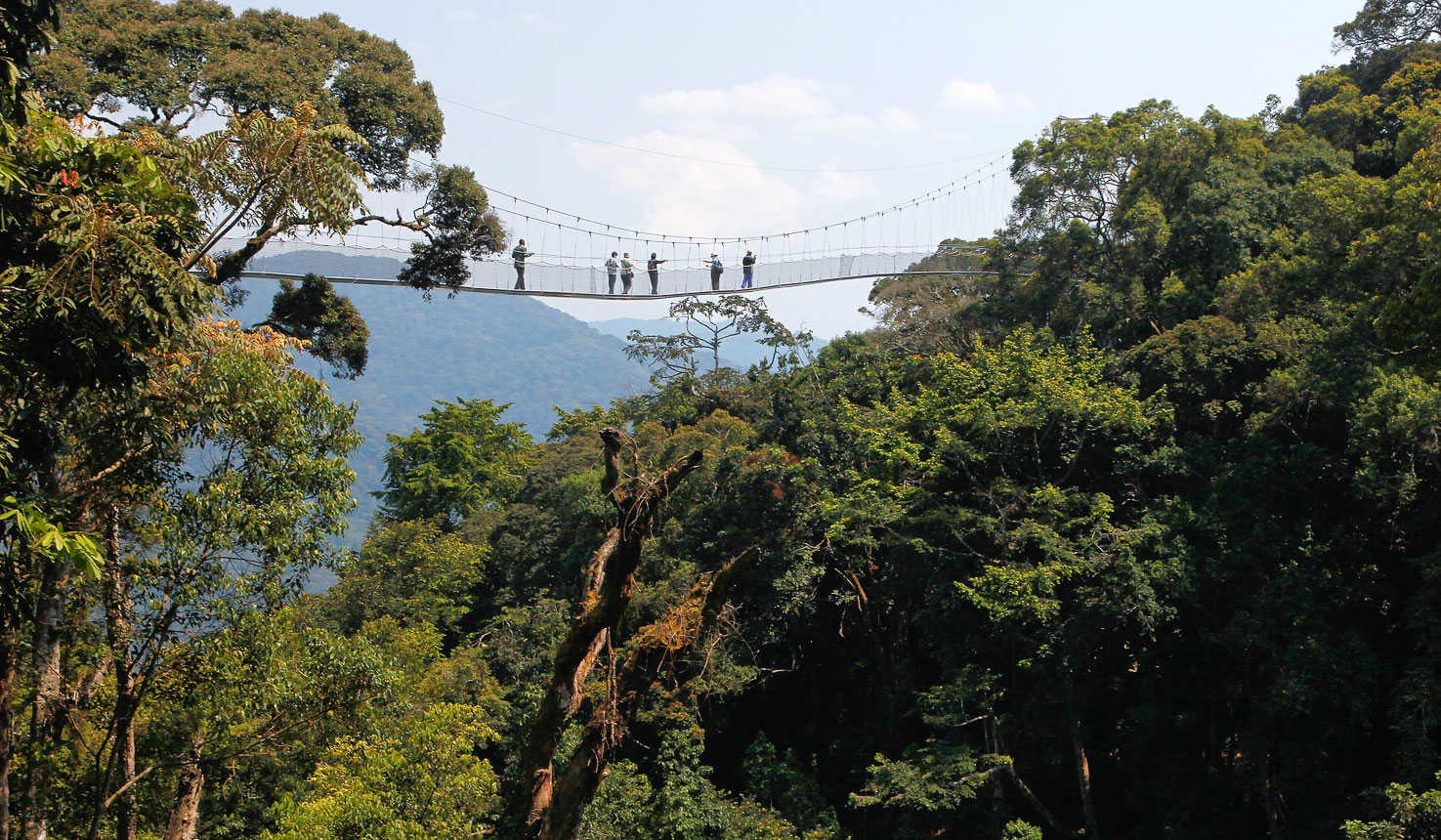
Rwanda asks for very little of your time and gives back disproportionately for it. This is a small country — you could drive across it in an afternoon — built almost entirely on hills, terraced with tea and banana groves, and centred on a capital, Kigali, that is by some distance the cleanest and most orderly city on the continent. Most journeys here are built around a single, extraordinary hour: sitting within arm’s reach of a mountain gorilla family on the slopes of the Virunga volcanoes, in the same forest where Dian Fossey did her life’s work. But Rwanda holds more than that hour. There is Nyungwe’s canopy walk suspended above chimpanzee territory, Lake Kivu’s still water for the days you’d rather do nothing at all, and a history — recent, difficult, honestly presented at the Kigali Genocide Memorial — that most visitors leave more affected by than they expected.
Whether you're looking for a private Rwanda safari tailored entirely to you, gorilla trekking in Volcanoes National Park, or a couples escape through East Africa's finest wilderness, every itinerary is built around the moments that stay with you.
Lake Kivu, Karongi, Musanze, Volcanoes National Park, Kigali
Kigali, Musanze, Volcanoes National Park
Rwanda is the “Land of a Thousand Hills”, where the long march of time has weathered deep cracks and crevices into a verdant, biodiverse landscape.
Best Months to Visit
Rwanda has two dry seasons — a longer one from June to September, and a shorter one from December through February — when Volcanoes National Park’s trails are at their firmest and gorilla trekking is at its most comfortable. June through September is the more established window, and also the busiest: permits for this period should be secured three to six months ahead, sometimes longer. The shorter December–February season sees fewer travellers for a similar experience, worth considering if you’d rather trek without a crowd. March to May is the long rains, when trekking is still possible but genuinely muddy; October and November bring a shorter, lighter rainy spell.
Rwanda’s gorilla permits are priced by the Rwanda Development Board and currently run in the region of $1,500 per person, though this is set nationally and does change — we confirm the exact figure at the time of booking. Arranging the permit is part of what we handle when we plan your itinerary; daily numbers are strictly limited, so we secure it well ahead of your dates.
For the June–September season in particular, three to six months ahead is a sensible minimum — permits for that window sell out, and some travellers book a year or more in advance. The shorter December–February dry season tends to have a little more flexibility.
It depends entirely on where the gorilla family has moved that day — treks range from a couple of hours to considerably longer, over steep and sometimes muddy volcanic terrain. Porters are available, and guides pace the group accordingly, but a reasonable baseline of fitness makes the day more enjoyable.
Yes — the Rwanda Development Board sets it at 15 years old, with no upper limit provided you’re fit for the terrain.
Very naturally. Rwanda pairs well with Uganda for travellers who want a fuller primate-trekking itinerary, and with Kenya or Tanzania for those adding gorillas to a more traditional Big Five or Migration safari. We handle the routing and logistics between countries as part of your itinerary.
Have a question we haven’t answered?
Tell us when you’d like to travel and what matters most. We’ll design something around you — at no cost or obligation.
Tell us about your vision. We'll be in touch within 24 hours.
Your details are kept private and never shared with third parties.