Nairobi • Laikipia • Samburu • Meru • Maasai Mara
The light in East Africa is unlike anything else on earth. It falls differently. It changes faster. And for forty-five minutes either side of sunrise and sunset, across the Maasai Mara or the Serengeti plains, it turns the ordinary into something photographers spend careers trying to describe.
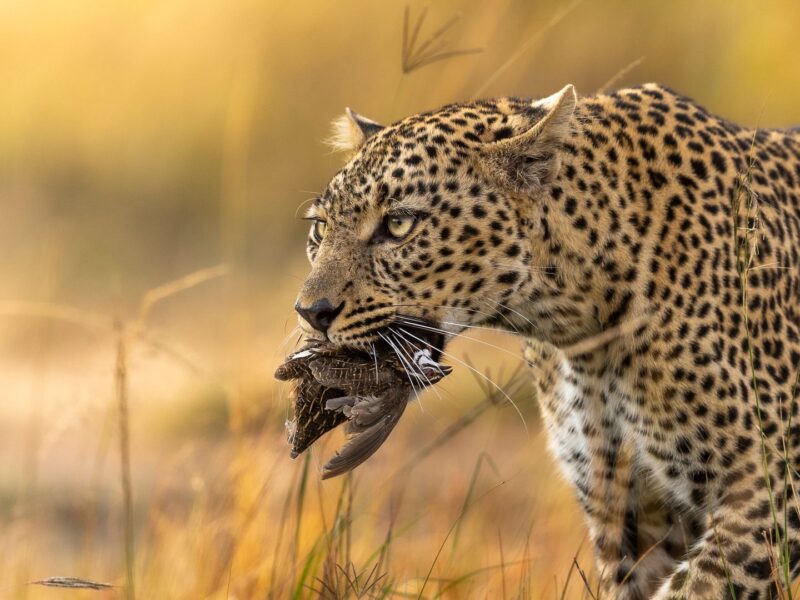
There is a moment that every wildlife photographer talks about when they return from Kenya or Tanzania. The light is low, angled, almost amber. A cheetah is sitting on a termite mound twenty metres away, scanning the grass. The Serengeti or the Maasai Mara stretches to every horizon, clean and unbroken. The shutter fires. And something happens in the viewfinder that could not have happened anywhere else on earth.
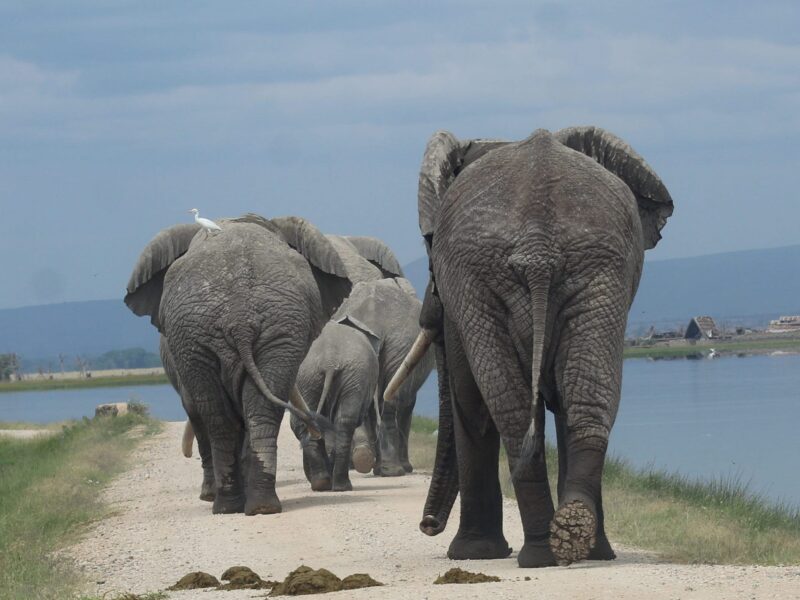
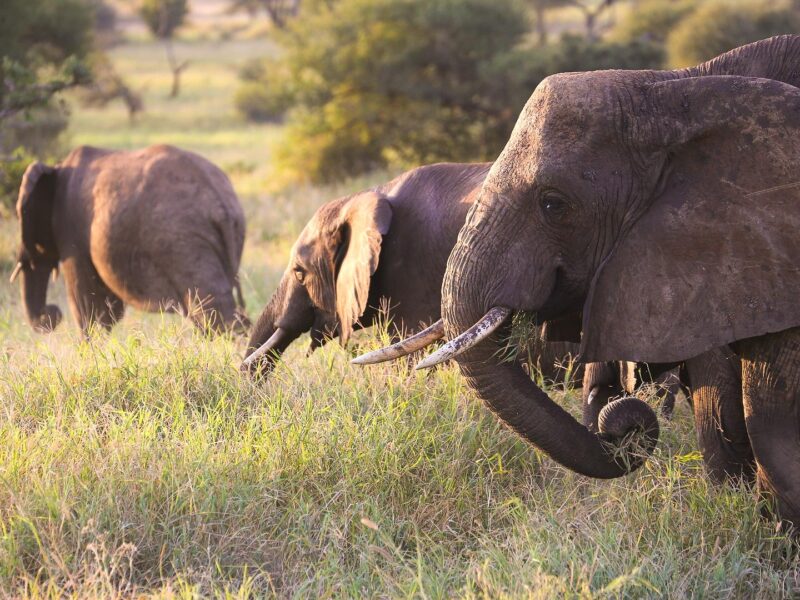
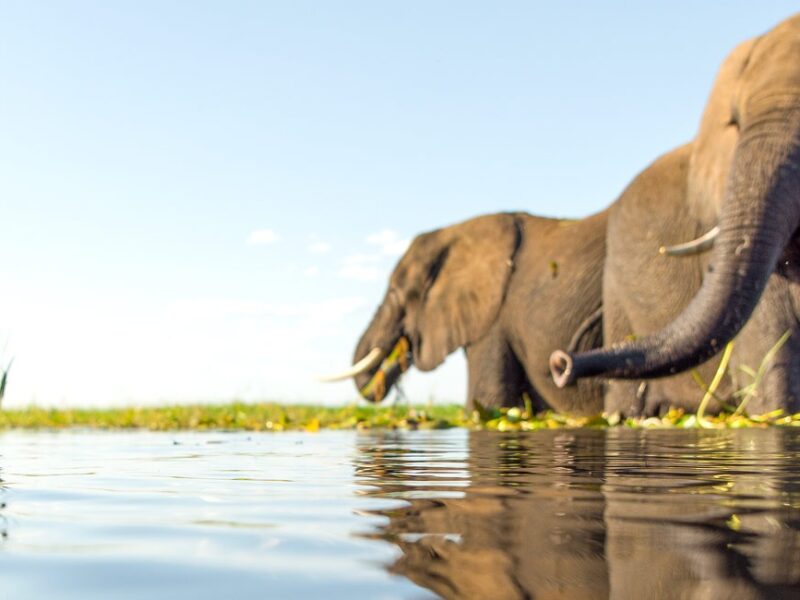
Kenya and Tanzania are among the finest wildlife photography destinations in the world — and for reasons that go beyond simply having impressive subjects. The landscapes here have scale. The light has quality. The animals have a relaxed familiarity with vehicles that allows proximity and natural behaviour simultaneously. The Maasai Mara’s open plains offer unobstructed sightlines across distances that no forest or scrubland can match. Tanzania’s Serengeti and Ngorongoro Crater deliver concentration and variety in the same frame. Kenya’s Amboseli gives you elephant herds against the glaciers of Kilimanjaro — a composition that stops being astonishing only when you have not seen it.
At Ayal Tours, a photography safari in Kenya or Tanzania is built around your photography, not around a standard itinerary that happens to allow cameras. We position the vehicle for the light, not for the convenience of the schedule. We stay with a sighting for as long as it holds, not for as long as a shared vehicle allows. We choose camps and conservancy areas with access to territories less visited by other operators — the private Mara conservancies, the less-frequented areas of the southern Serengeti, the Amboseli ecosystem’s quieter edges. And we brief your guide on your specific photographic interests before you arrive: whether you are after predator action, landscape and environmental portraiture, bird photography, or the specific drama of a Mara River crossing during the Great Migration.
You do not need to be a professional photographer to benefit from this approach. You need only to want the best possible images and the time and space to make them.

A photography safari only works with a private vehicle. We position for the angle, the background, and the direction of light — not for the average preference of six strangers. Early starts before sunrise, late returns after the golden hour, and extended time at sightings that reward patience.
Our guides know what a photographer needs from a sighting that a casual visitor does not. Vehicle positioning relative to the sun. When to kill the engine. How long a cheetah is likely to stay on a kill. How to anticipate the moment before it happens. This knowledge is the difference between a good photograph and an extraordinary one.
The Maasai Mara's open plains and predator density, Amboseli's elephants against Kilimanjaro, the Serengeti's vast horizons and migration drama — these are the subjects that define wildlife photography. Together, Kenya and Tanzania offer more iconic photographic opportunities than anywhere else on earth
4 photography available — each one designed around you.
Nairobi • Laikipia • Samburu • Meru • Maasai Mara
Nairobi • Amboseli • Lake Naivasha • Maasai Mara
Nairobi · Amboseli · Lake Naivasha · Lake Nakuru · Masai Mara · Diani Beach
Nairobi · Amboseli · Lake Naivasha · Lake Nakuru · Masai Mara
A photography safari in Kenya or Tanzania is genuinely well-suited to any traveller who wants to come home with images that do justice to what they have seen — from experienced photographers working with professional-grade telephoto lenses to enthusiastic amateurs with a mirrorless camera and a desire to improve, to visitors who shoot exclusively on a smartphone and simply want the best possible subjects and light.
For serious wildlife photographers, Kenya and Tanzania offer subject matter, light quality, and access that few destinations on earth can match. The combination of a private vehicle, a guide who understands photographic requirements, extended time at sightings, and access to less-crowded conservancy areas creates conditions for genuinely outstanding images. We can also advise on the best seasonal timing for specific subjects — the Mara River crossings between August and September, the calving season in Ndutu between January and March, the flamingo concentrations at Lake Nakuru, the Amboseli elephants in the wet season when the swamps are full and the mountain is clear.
For enthusiastic amateur photographers who have invested in a good camera and want to use it properly, a private safari removes all the compromises that shared vehicles impose. No rushing sightings. No engine running at the wrong moment. No positioning dictated by someone else’s angle. Just you, your guide, your vehicle, and as much time as the subject allows.
For travellers who shoot on smartphones, the conditions on a private Kenya or Tanzania photography safari are better than you might expect. Modern smartphone cameras perform extraordinarily well in the quality of light available at golden hour in East Africa, and the proximity that a relaxed guide and a private vehicle allow means subjects are genuinely close. Some of the most striking images we have seen from our clients have been made on phones.
We recommend a minimum of eight days for a dedicated photography safari in Kenya or Tanzania, to allow for the variation in light, weather, and wildlife behaviour that makes the difference between a collection of good images and a truly extraordinary one. Ten to twelve days is ideal if you are combining both countries.
Our photography are available across Kenya and Tanzania — two of the world's finest safari destinations.
Where the savannah stretches to every horizon and the wild still moves on its own terms.
The Land of a Thousand Hills
Where the plains have no edges, the crater holds a world within itself, and the ocean waits at the end of the journey.
The Pearl of Africa, Unhurried
Tell us your vision and we will design something extraordinary — at no cost or obligation.
Tell us about your vision. We'll be in touch within 24 hours.
Your details are kept private and never shared with third parties.