Arusha • Tarangire • Lake Eyasi • Ngorongoro Crater • Serengeti (Grumeti & Kogatende)
Where the plains have no edges, the crater holds a world within itself, and the ocean waits at the end of the journey.
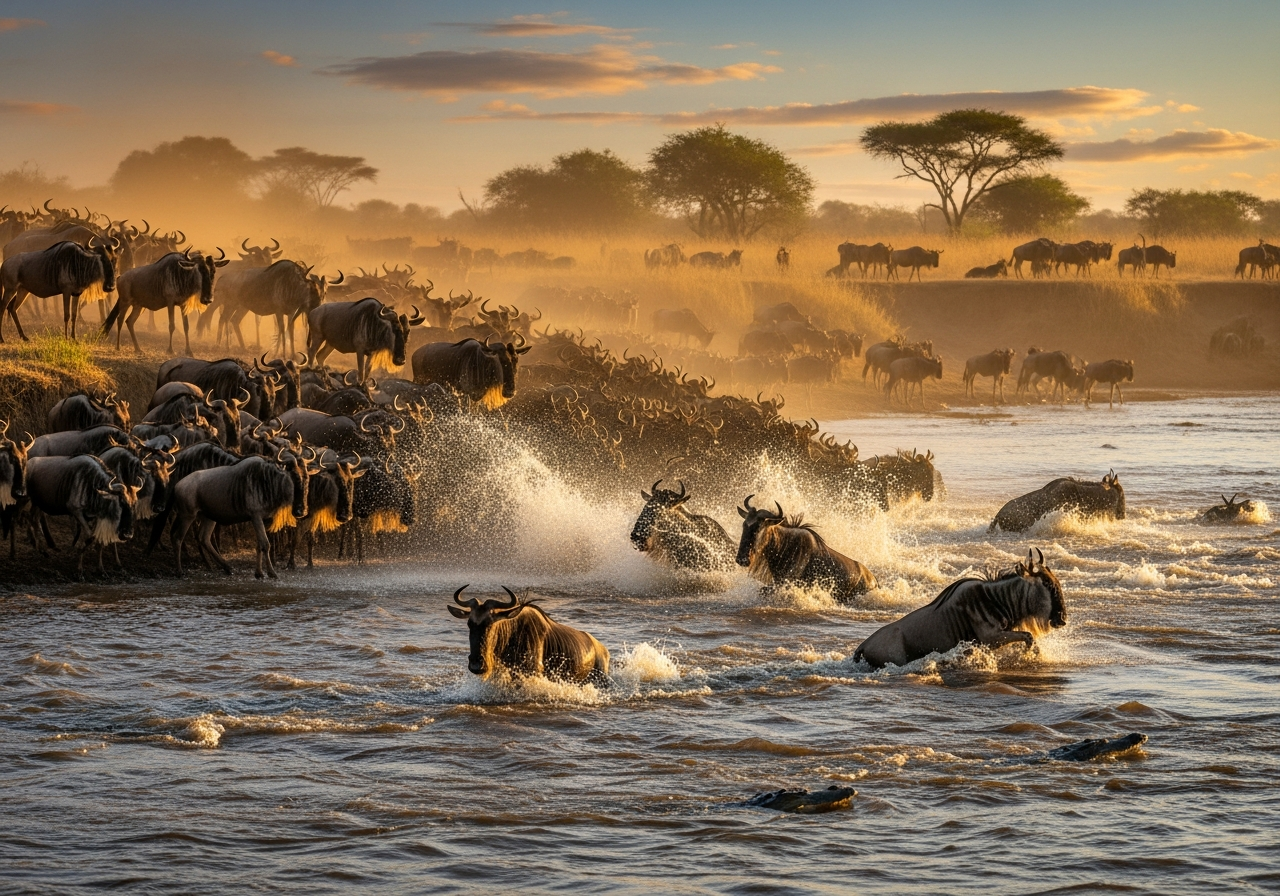
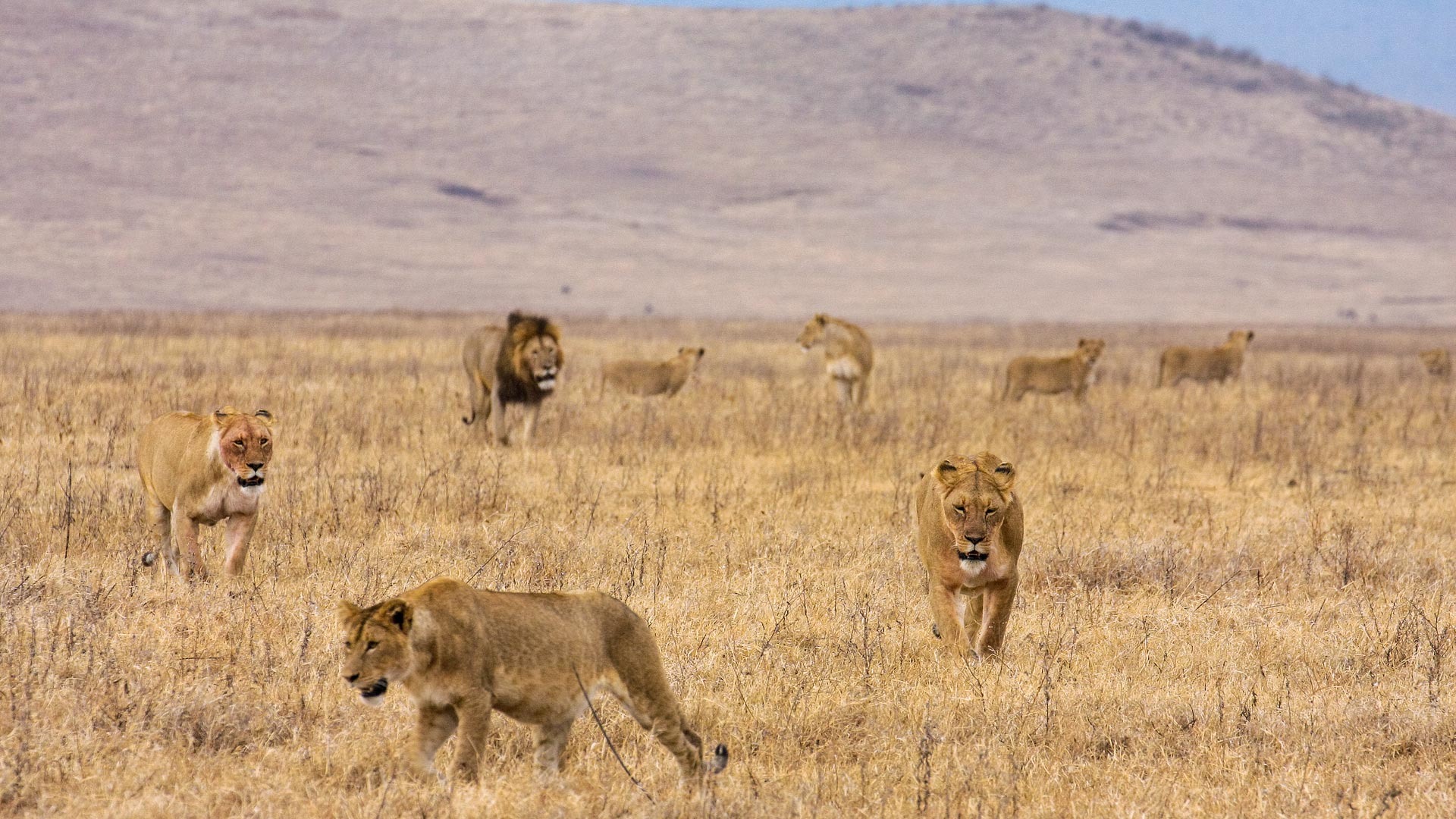
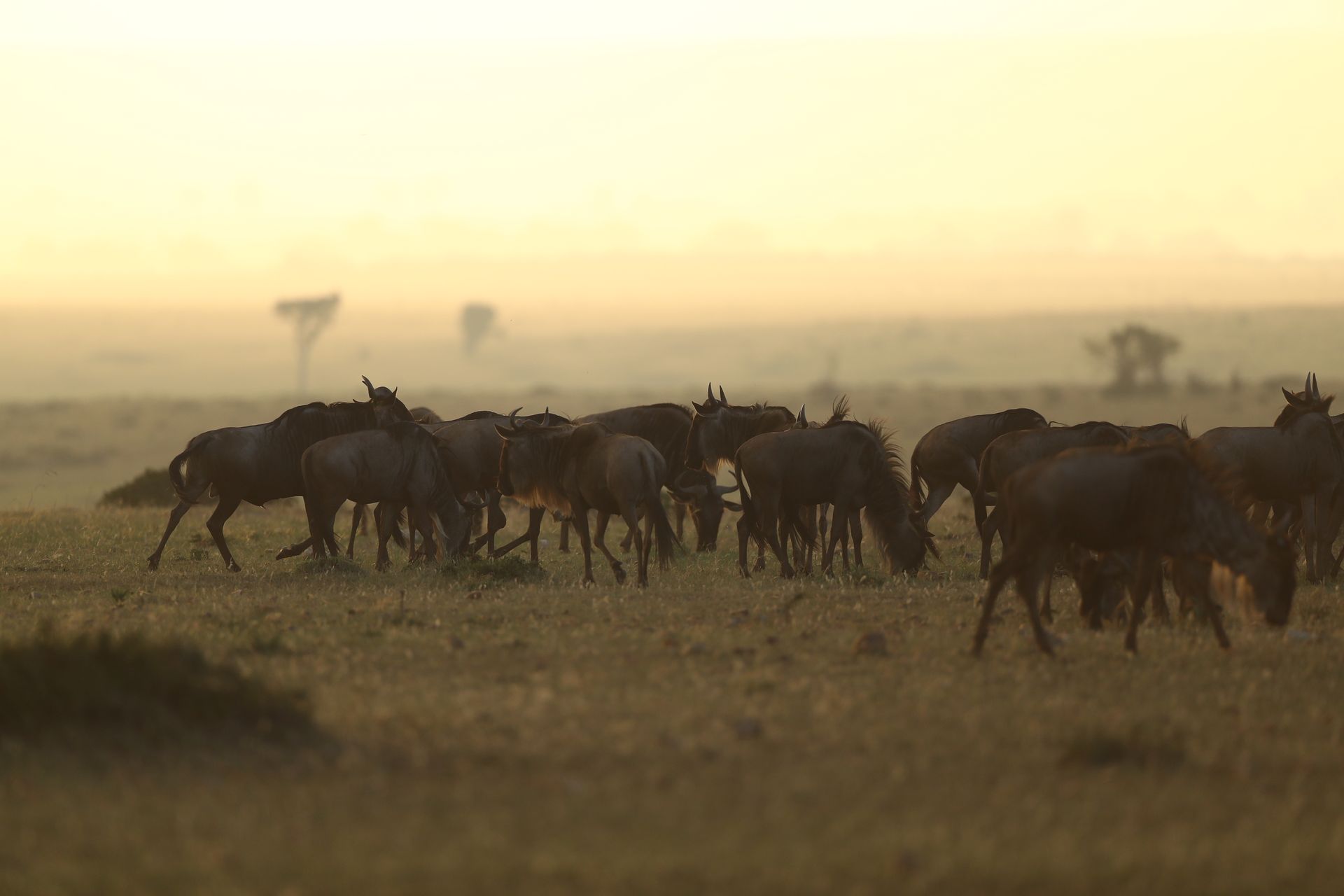
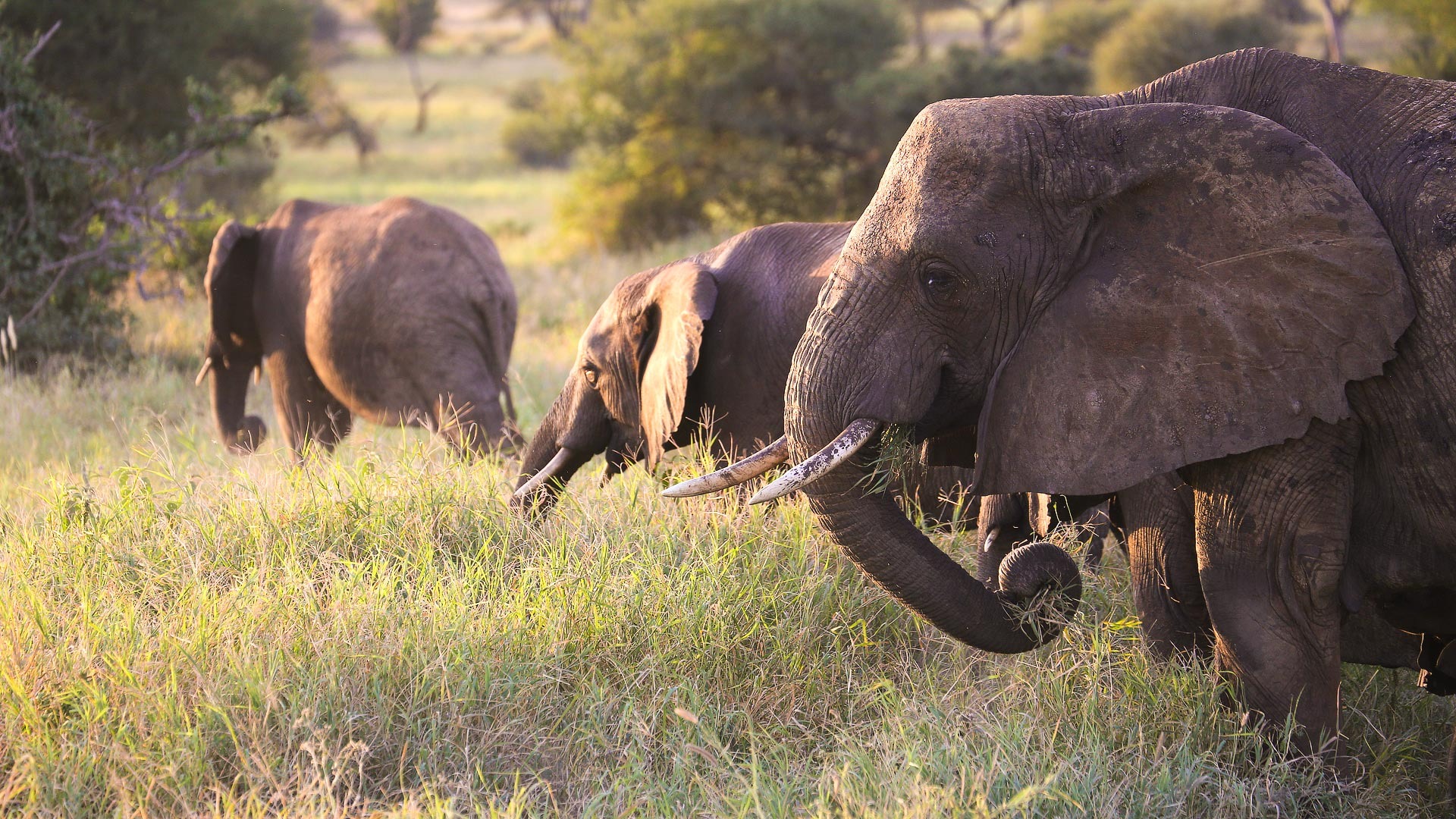
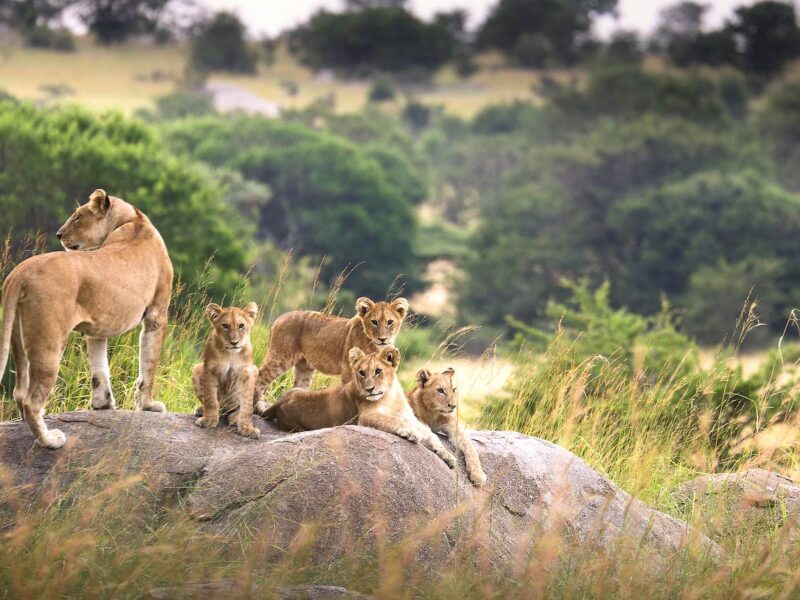
There is a reason Tanzania was named Africa’s Leading Destination at the 2025 World Travel Awards — and it is not a single reason, but an accumulation of landscapes so varied and so extraordinary that few countries on earth can match them within one set of borders. The Serengeti’s horizon runs unbroken in every direction, a sea of grass that becomes, for several months each year, a river of more than a million wildebeest in motion. The Ngorongoro Crater — the world’s largest intact volcanic caldera — holds an entire ecosystem within its walls, so dense with wildlife that a single day inside it can feel like a week elsewhere. Tarangire’s ancient baobabs frame some of the largest elephant herds in East Africa. Lake Manyara’s lions climb trees, a behaviour rarely seen anywhere else on the continent.
A Tanzania safari is not one experience but several, stacked against each other in careful sequence — and at Ayal Tours, we know exactly how to sequence them. We know which weeks of the year bring the Great Migration’s dramatic river crossings to the northern Serengeti, and which months favour the calving season in the southern plains around Ndutu. We know which conservancies offer privacy that the main circuit cannot, and which camps put you closest to the action when the wildlife moves.
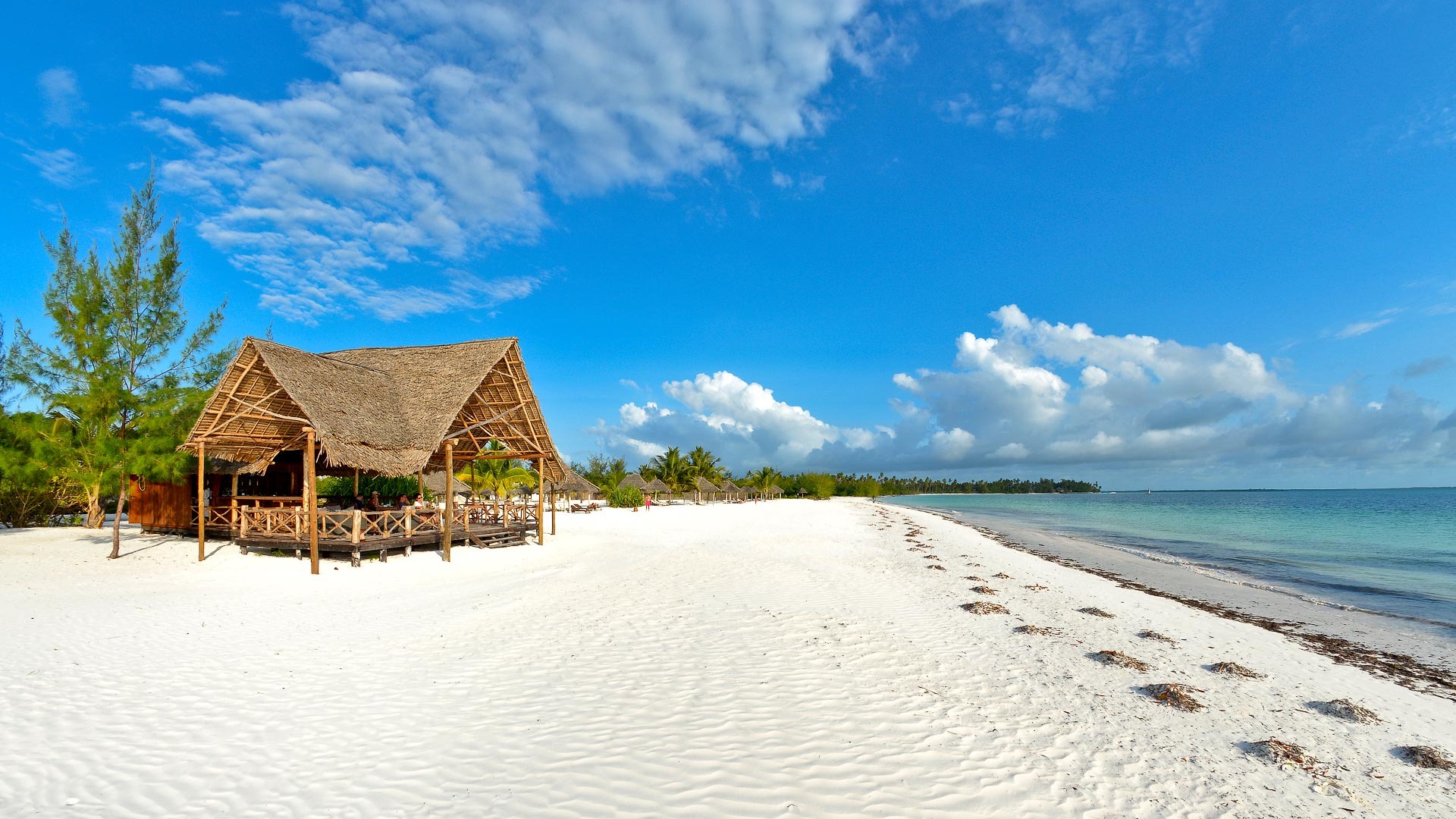
For travellers who want more than wildlife alone, Tanzania offers something most safari destinations cannot: a natural extension to one of the world’s most celebrated beach destinations. Zanzibar, named Africa’s Leading Beach Destination in the same 2025 awards, sits a short flight from the northern safari circuit — its white sand, spice-scented old town, and warm Indian Ocean water providing the perfect counterpoint to the intensity of the bush. We design safari and Zanzibar combinations as a single seamless journey, and a great many of our clients consider it the finest way to experience this country. Explore our Tanzania safari packages →
Every Tanzania itinerary we design begins with a conversation about what matters most to you — the parks you want to experience, the season that suits your interests, and whether a Zanzibar extension belongs at the end of your journey. These are some of our most-requested Tanzania safaris.
From the drama of a Mara River crossing to the stillness of a private moment inside Ngorongoro Crater, Tanzania offers some of the most varied wildlife experiences on the continent.
Best Months to Visit
Tanzania offers excellent safari conditions for most of the year, with each season favouring different parks, different wildlife behaviour, and different parts of the Great Migration circuit.
June to October — Dry Season & Peak Migration
This is Tanzania’s dry season and the period most associated with exceptional game viewing across the entire northern circuit. Vegetation is low, wildlife concentrates around remaining water sources, and the Great Migration reaches the northern Serengeti and the Mara River, where the famous and unpredictable river crossings take place most frequently between July and September. This is the busiest and most in-demand season for a Tanzania safari, and camps in the northern Serengeti should be booked well ahead.
December to April — Green Season & Calving
The southern Serengeti and Ndutu region come alive between December and April as the migration herds gather to give birth — often half a million wildebeest calves born within a few short weeks, drawing intense predator activity. The landscape is lush and green, skies are dramatic, and visitor numbers are noticeably lower than peak season. January and February in particular offer a short, reliable break in the rains with outstanding game viewing.
March and April — The Long Rains
Tanzania’s heaviest rains fall in March and April, and many camps in the more remote circuits close during this period. Game viewing becomes more challenging in thick vegetation, though Ngorongoro Crater and Tarangire remain rewarding. This is the quietest period for travel and the best for value-conscious visitors with flexible expectations.
For a Zanzibar extension, the island enjoys excellent beach weather from June through October and again from December through February, aligning conveniently with the best safari windows on the mainland.
Tanzania offers excellent game viewing for most of the year. June through October is the dry season and peak migration period, with the dramatic Mara River crossings occurring most frequently between July and September. December through April brings the green season and the remarkable Ndutu calving season, with generally lower visitor numbers and excellent value. March and April see the heaviest rains and reduced access in some areas. There is no genuinely bad time to visit Tanzania — each season offers a distinct experience, and we are happy to advise on the best timing for your specific interests.
Tanzania and Kenya share the same Great Migration ecosystem but offer different experiences. Tanzania’s Serengeti is significantly larger than Kenya’s Maasai Mara and includes the Ngorongoro Crater — found nowhere else. Tanzania also offers a more extensive southern safari circuit and a more natural pairing with Zanzibar’s beaches. Kenya’s Maasai Mara tends to have a higher concentration of predator sightings in a smaller, more accessible area, and Kenya’s Amboseli offers unmatched elephant viewing against Kilimanjaro. Many of our clients choose to combine both countries in a single journey — explore our combined Kenya and Tanzania safaris.
We recommend a minimum of seven days for a meaningful Tanzania safari covering the northern circuit — Tarangire, Ngorongoro Crater, and the Serengeti. Ten days allows a more unhurried pace and the option to add the southern Serengeti or Lake Manyara. If you are adding a Zanzibar beach extension, we recommend twelve to fourteen days total to give both the safari and the coast proper time.
Tanzania is an excellent choice for a first safari. The northern circuit — Tarangire, Ngorongoro Crater, and the Serengeti — is well-established, well-managed, and offers extraordinary wildlife density in a relatively accessible area. First-time visitors are often particularly struck by the Ngorongoro Crater, where the concentration of wildlife within a single, self-contained landscape provides an introduction to African wildlife unlike anywhere else on the continent.
Absolutely — and we would actively recommend it. Zanzibar sits a short flight from the northern safari circuit and was named Africa’s Leading Beach Destination in 2025. A typical combination involves seven to ten days on safari followed by four to seven nights in Zanzibar, giving you the full contrast between the intensity of the bush and the stillness of the Indian Ocean. We design these as a single seamless itinerary from your first game drive to your last sunset on the beach.
Tanzania is home to the complete Big Five — lion, leopard, elephant, buffalo, and rhino — alongside the Great Migration’s enormous herds of wildebeest and zebra. The Serengeti and Ngorongoro Crater offer outstanding predator density, Tarangire is known for its elephant herds, and Lake Manyara is famous for its rare tree-climbing lions. Tanzania’s southern circuit, including Ruaha National Park, adds wild dog and exceptional lion populations for travellers seeking a less-visited experience.
Have a question we haven’t answered?
Tell us when you’d like to travel and what matters most. We’ll design something around you — at no cost or obligation.
Tell us about your vision. We'll be in touch within 24 hours.
Your details are kept private and never shared with third parties.