Arusha • Tarangire • Lake Eyasi • Ngorongoro Crater • Serengeti (Grumeti & Kogatende)
Couples, Families, First-Time Safari Travellers, Wildlife Enthusiasts
This 7-day Kenya safari takes you through three of the country’s most celebrated wildlife landscapes: the vast game plains of the Maasai Mara, the flamingo-pink shores of Lake Nakuru, and the extraordinary elephant country of Amboseli National Park, where herds move in slow procession beneath the snows of Kilimanjaro. Kenya does not reveal itself all at once. It earns your patience, and then, when you are least expecting it, delivers something you will carry for the rest of your life.
This is Kenya at its most iconic, but experienced privately, at your own pace, with a dedicated guide who knows when to wait and where to look. No shared vehicles. No fixed departure schedules: just you, the wilderness, and seven days to let Africa change how you see the world.
Designed as an ideal introduction for first-time visitors and a deeply satisfying return for those who already know this land, our Kenya safari packages are built around your vision, not a catalogue. Every day of this itinerary can be adjusted to your interests, whether that means lingering longer in the Mara during the Great Migration season, adding a hot air balloon flight at dawn, or spending an extra morning watching elephants gather at an Amboseli waterhole as the mountain emerges from the cloud.
Your Kenya safari begins the moment you land. Your Ayal guide meets you at Jomo Kenyatta International Airport and transfers you to your Nairobi hotel, where the rest of the day is yours to settle in and recover from the journey.
If time and energy allow, an afternoon visit to the David Sheldrick Wildlife Trust’s elephant orphanage offers one of Nairobi’s most moving experiences, orphaned elephant calves mud-bathing, feeding, and learning to be wild again. The evening is spent in comfort, with a briefing on the days ahead and the quiet anticipation of what Africa is about to show you.
After an early breakfast, your guide collects you for the drive southwest, roughly five to six hours through the Rift Valley and the rolling hills of Narok County, arriving at the Maasai Mara by early afternoon.
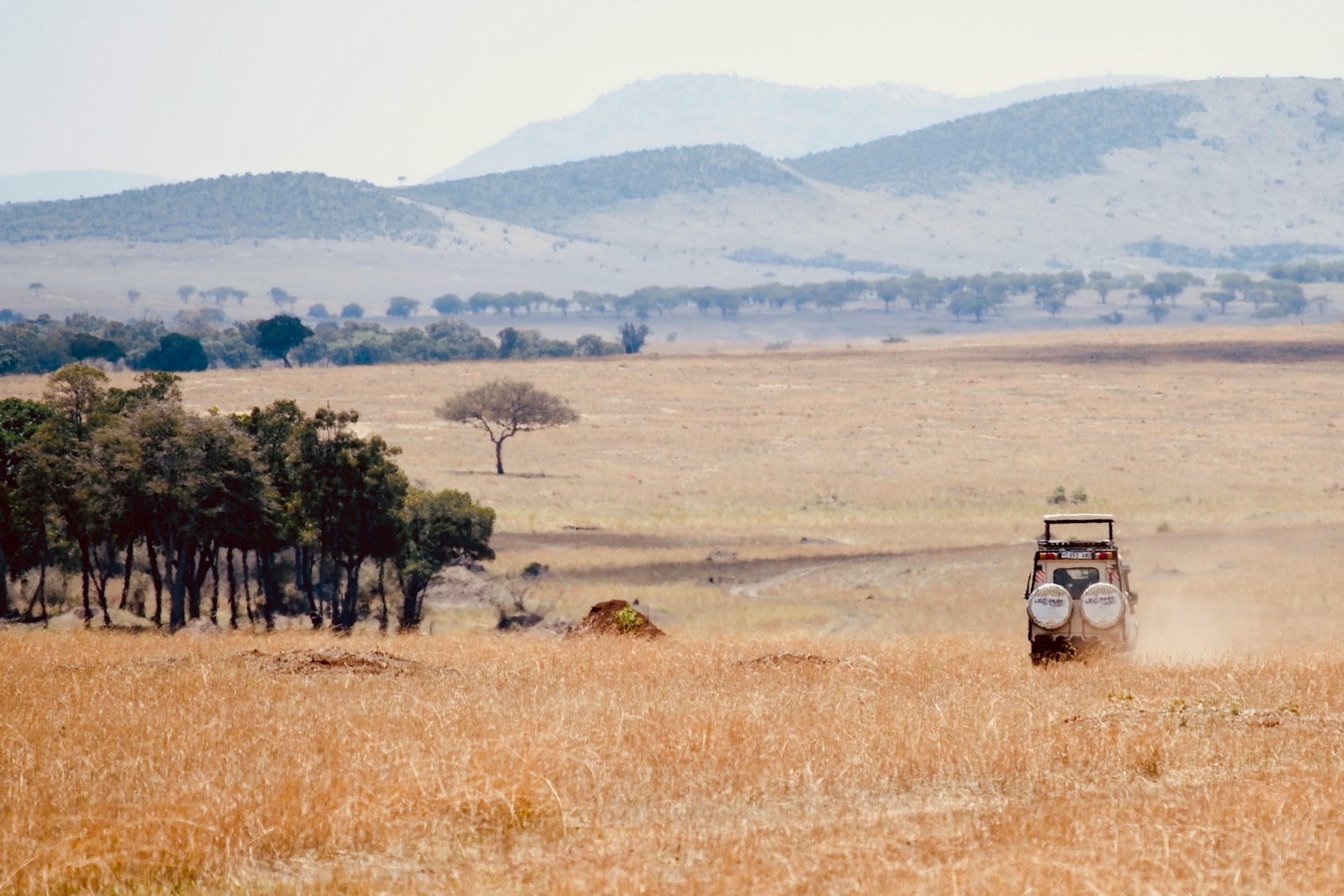
The Maasai Mara National Reserve is one of Africa’s great wildlife arenas: 1,510 square kilometres of open savannah, riverine forest, and acacia woodland where lion, leopard, cheetah, elephant, buffalo, and hundreds of bird species share a landscape that has remained essentially unchanged for millennia. Check in to your camp, take a light lunch, and prepare for your first afternoon game drive as the plains light turns gold.
The Mara has a rhythm of its own. Your guide will begin reading it immediately, tracks in the dust, distant vultures circling, the nervous behaviour of a herd. By sunset on your first full evening, you will understand why travellers return here again and again.
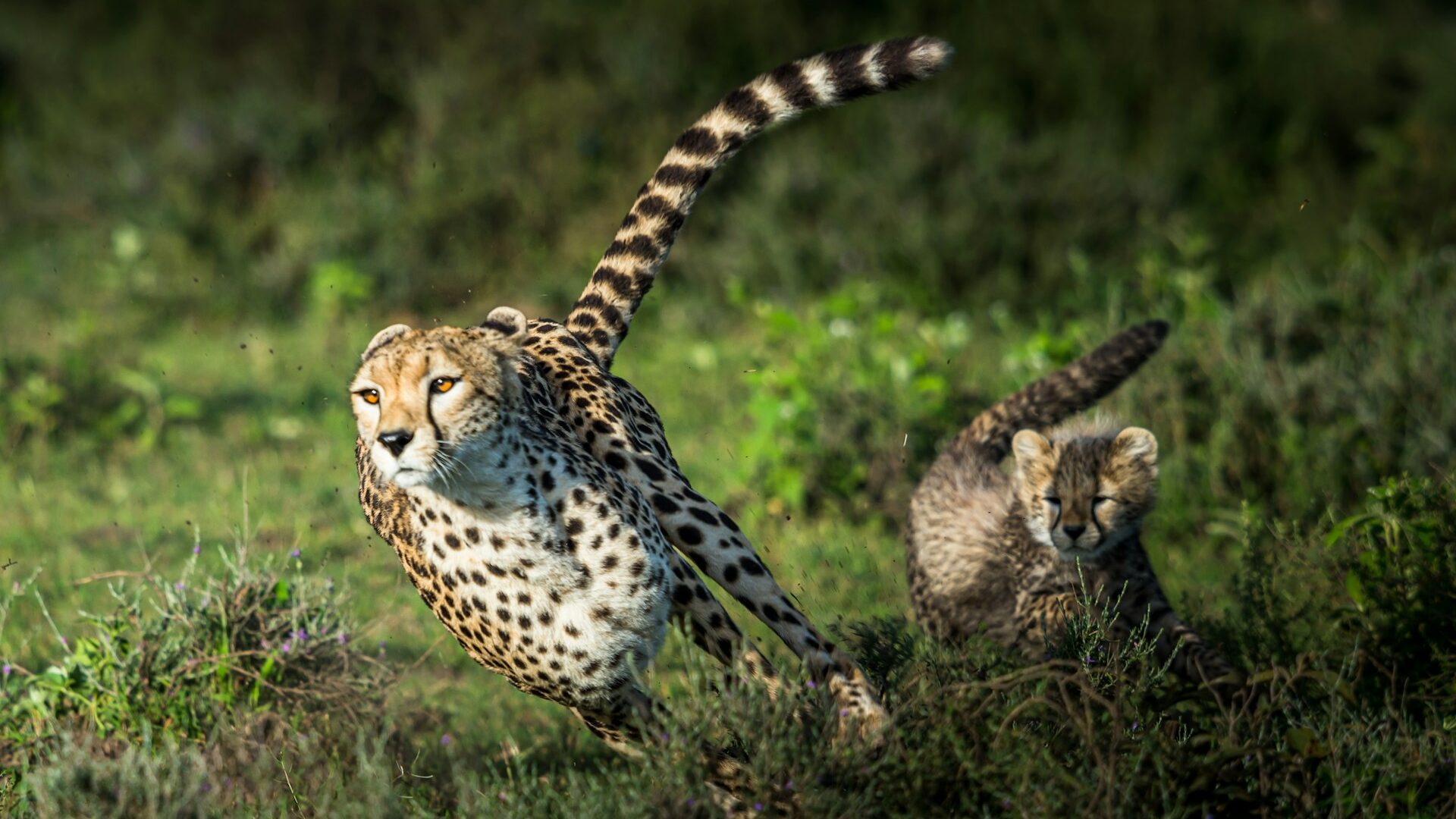
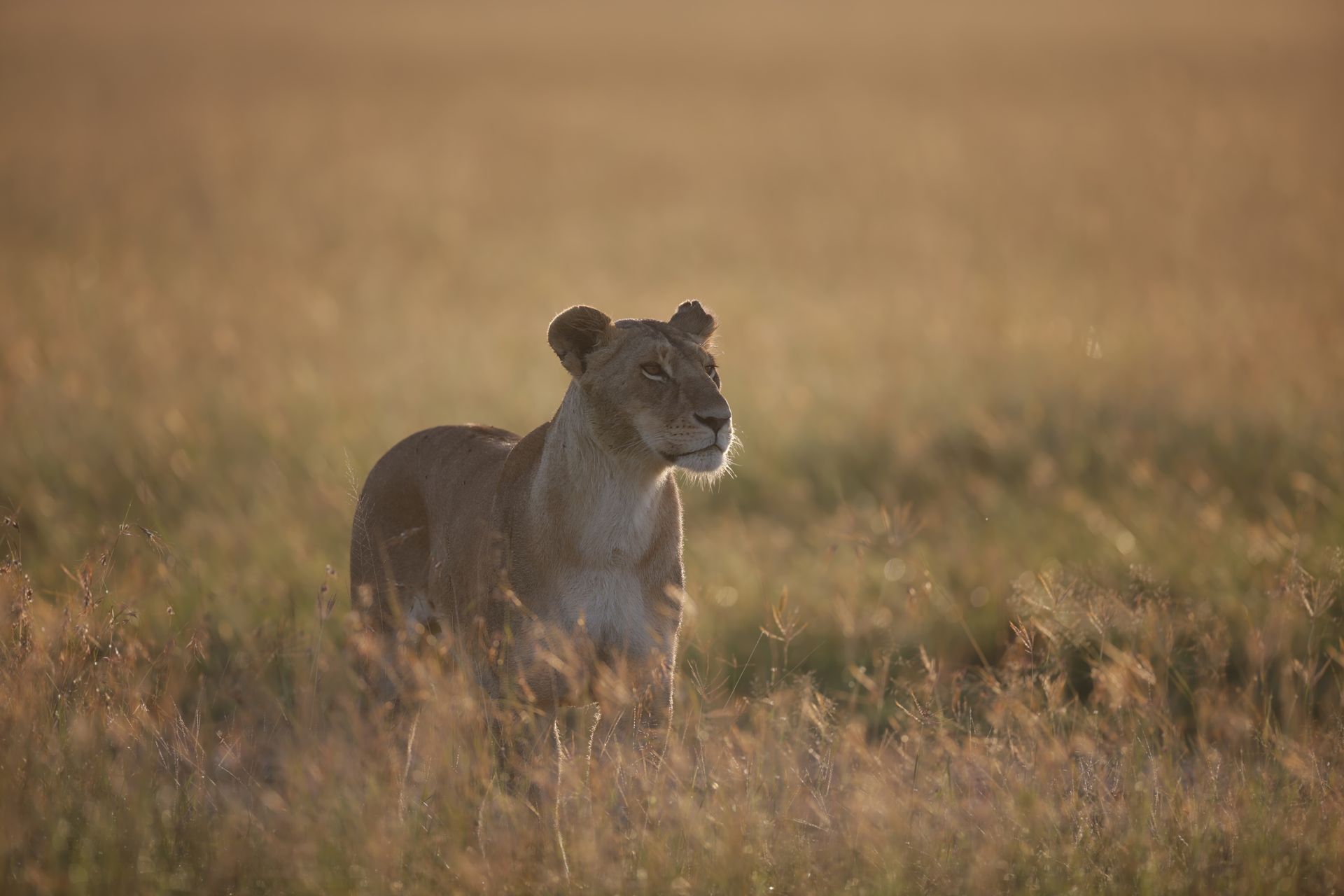
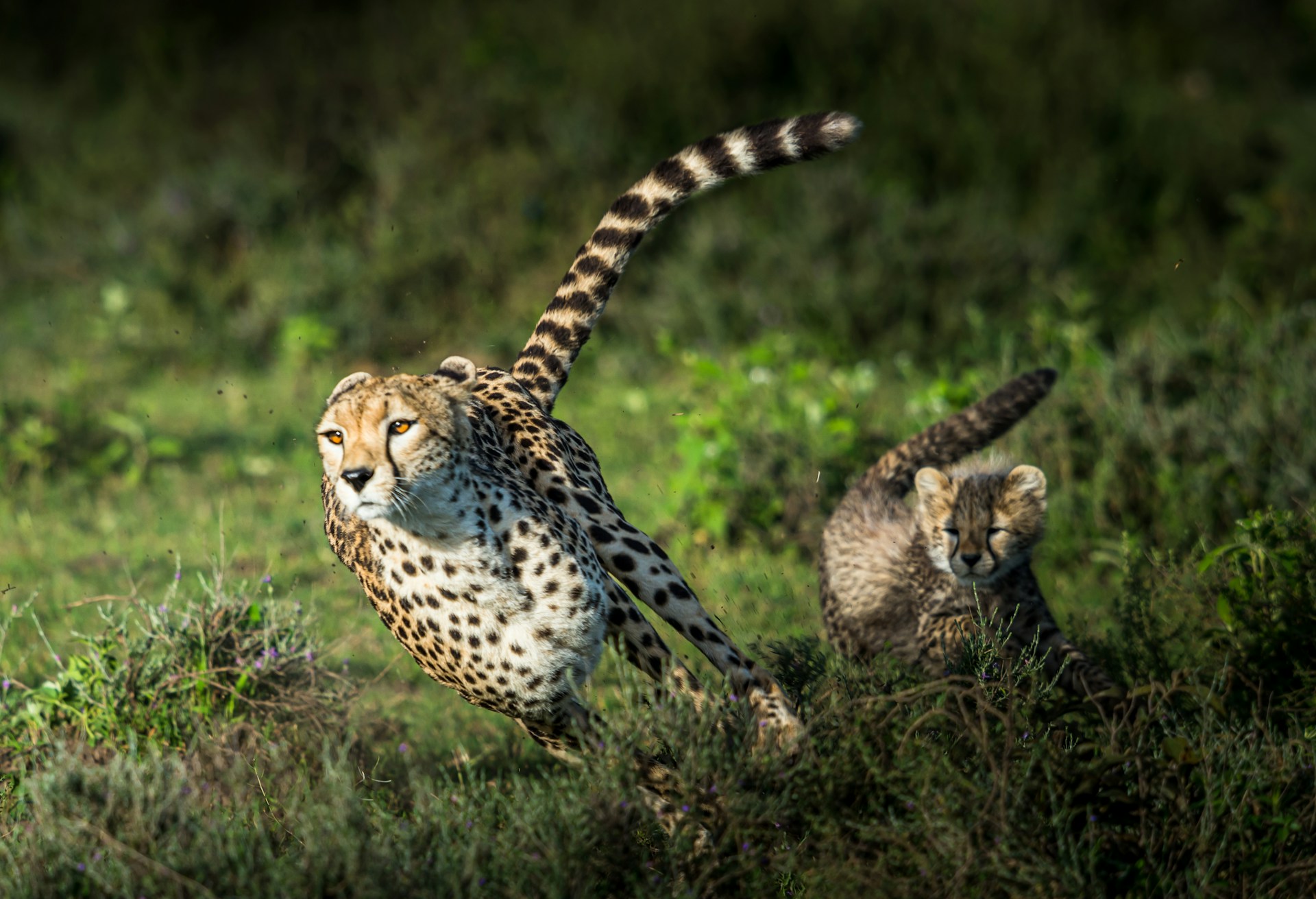
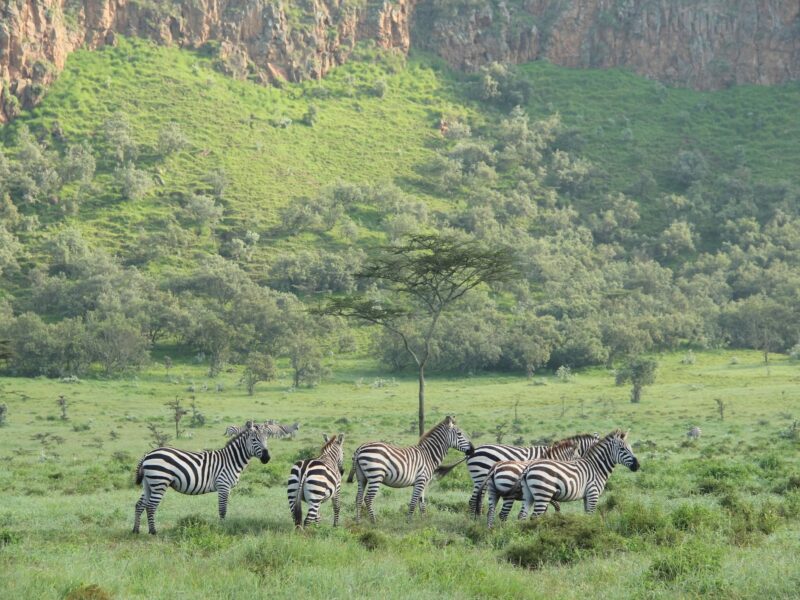
A full day in the Maasai Mara is a privilege few safari destinations can match. You will rise before dawn for the first game drive of the day, the hour just after sunrise is when the Mara is most alive, when lions return from a night’s hunt, when cheetahs scan the golden grass for prey, and when the light falls across the savannah in ways that stop you mid-breath.
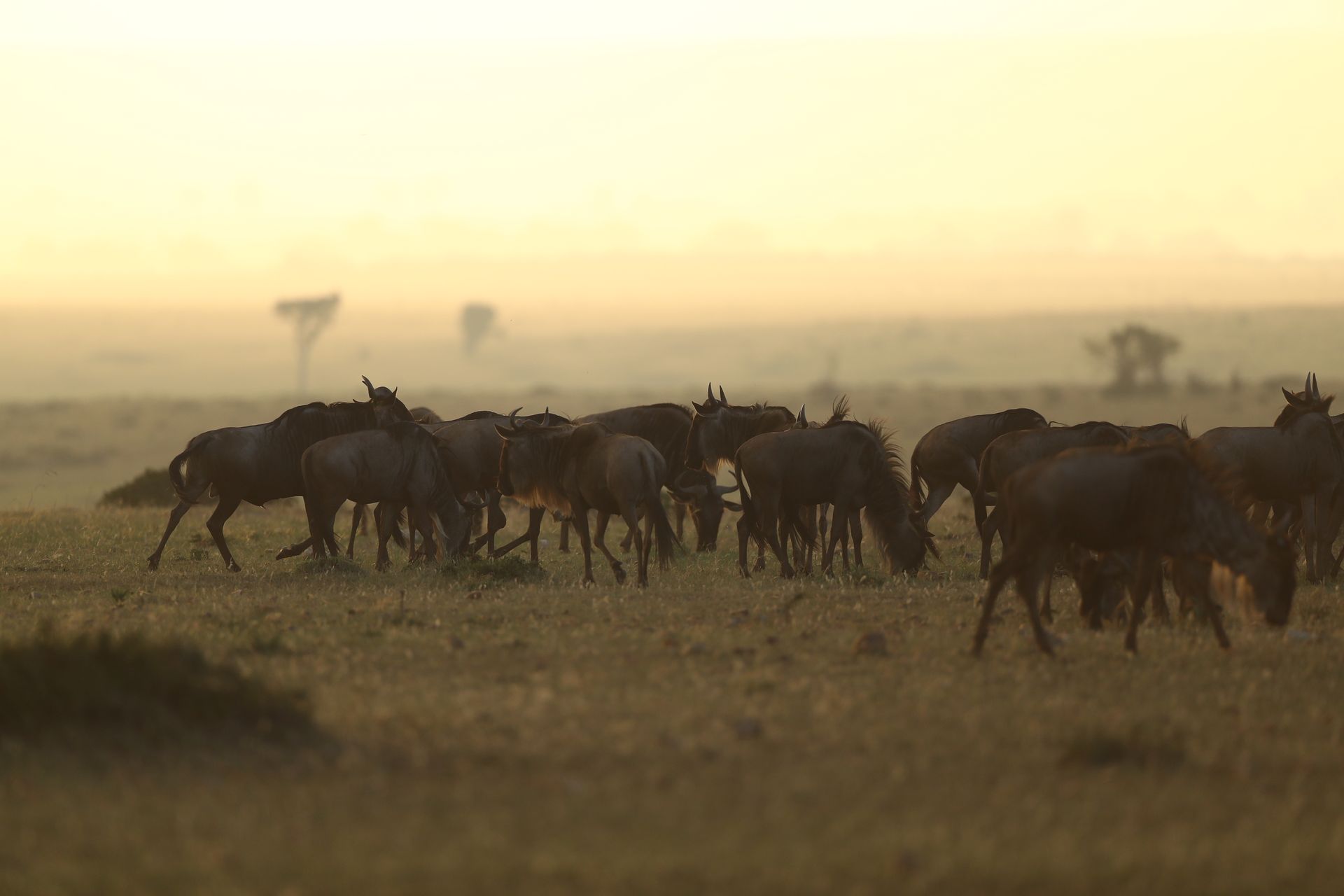
Spend the morning deep in the reserve, following sightings as they unfold. Return to camp for a leisurely lunch before heading out again in the late afternoon as the day cools and the animals become active once more. For those visiting between July and October, the Great Migration brings over 1.5 million wildebeest and zebra thundering across the landscape, including the legendary and unpredictable Mara River crossings, where crocodiles wait in the churning water below.
In the evening, consider a sundowner on a raised platform or at a scenic lookout, a cold drink, the darkening plains, and the sound of Africa.
Optional add-on: Hot air balloon safari over the Maasai Mara at dawn (highly recommended, bookable through Ayal at an additional cost).
A final morning in the Mara, an early drive to catch the light and follow whatever the reserve decides to show you. No two mornings here are the same: the Mara has a particular quality of surprise that experienced guides learn to expect and guests never quite get used to.
After the morning drive and breakfast, you have the option of a visit to a nearby Maasai community, an unhurried, respectful encounter with one of East Africa’s most extraordinary cultures. The Maasai have lived alongside Kenya’s wildlife for centuries, occupying a world governed by cattle, sky, and an ancient understanding of this land. Your visit includes a welcome ceremony, a walk through the village, an opportunity to speak with community members, and time to browse handcrafted beadwork and jewellery.
The afternoon sees you depart the Mara for the drive north to Lake Nakuru.
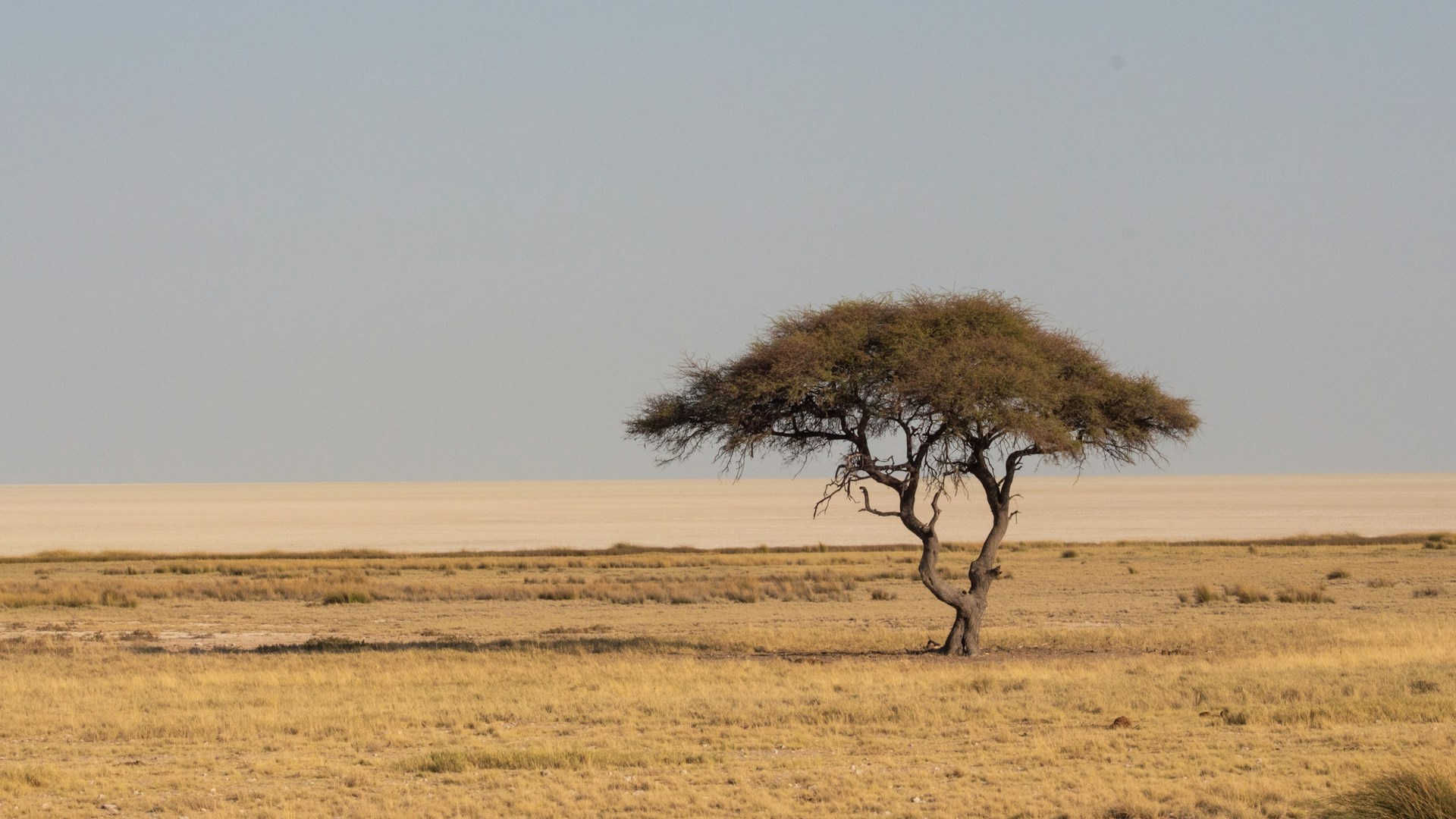
Lake Nakuru National Park sits in the heart of Kenya’s Great Rift Valley and offers a wildlife experience entirely distinct from the Mara. The park is one of Africa’s great bird sanctuaries, at peak season, hundreds of thousands of lesser flamingos ring the shoreline in a wash of pink that defies adequate description. The lake also supports pelicans, African fish eagles, cormorants, and over 450 other recorded bird species.
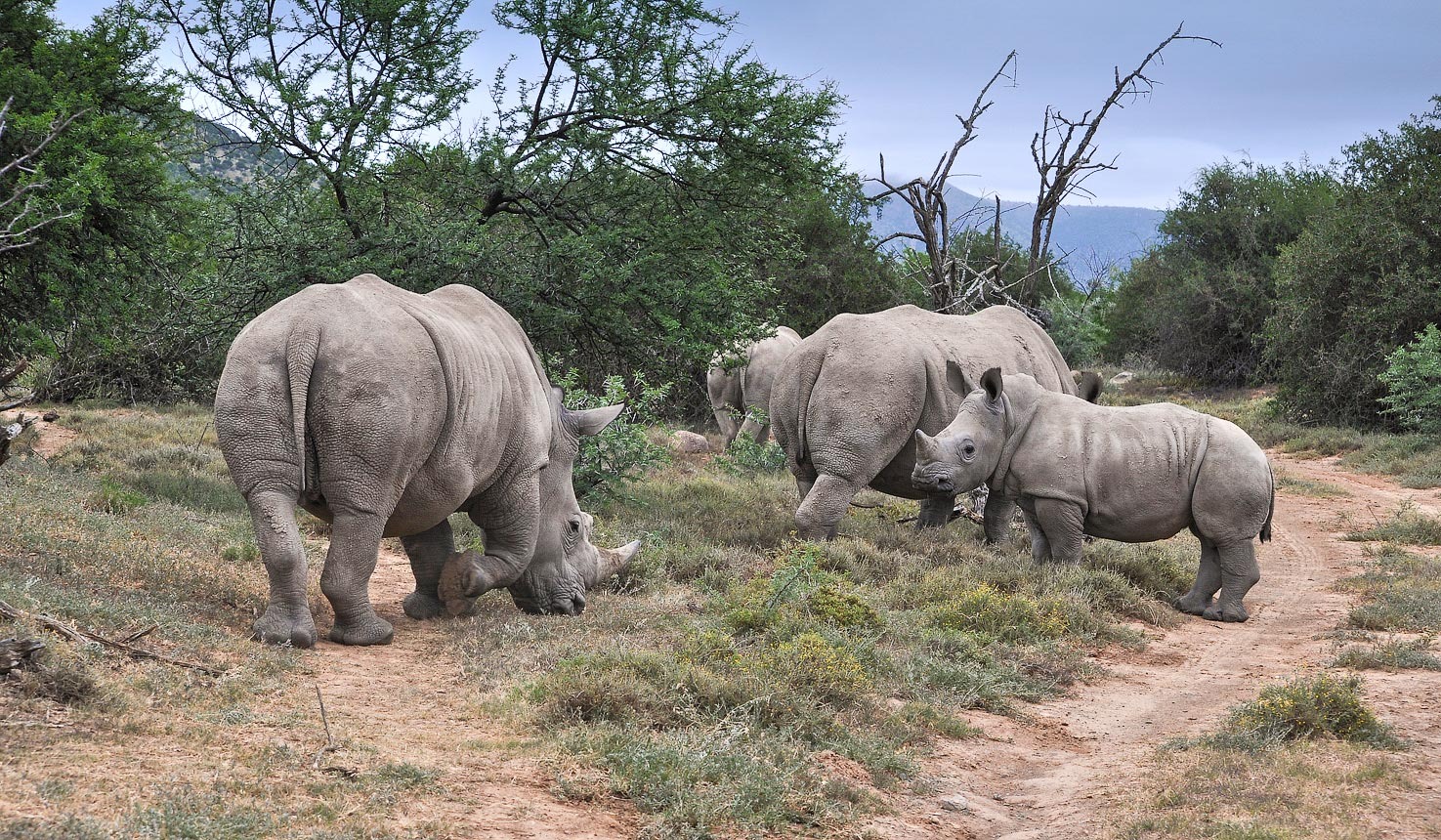
Beyond the birds, Nakuru is one of Kenya’s most important sanctuaries for both black and white rhino, a reminder of what conservation effort, sustained over decades, can achieve. Waterbuck, baboon, buffalo, and Rothschild giraffe (one of the world’s most endangered giraffe subspecies) are regularly sighted in the dense woodland surrounding the lake.
Full day of morning and afternoon game drives, with time mid-day to relax at the lodge and enjoy the views across the park.
After breakfast and a final short morning drive in Nakuru, you depart south for Amboseli National Park — a journey of approximately four to five hours that takes you past the Rift Valley escarpment and down towards the Tanzanian border.
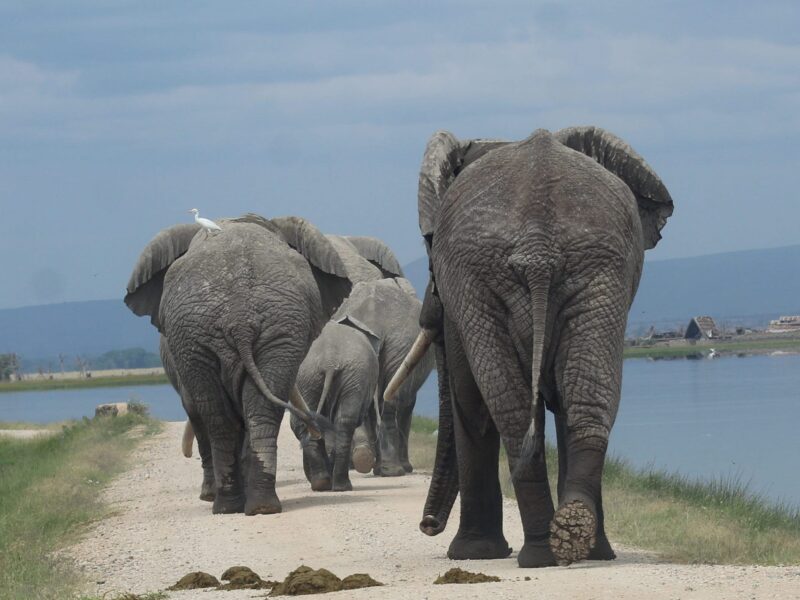
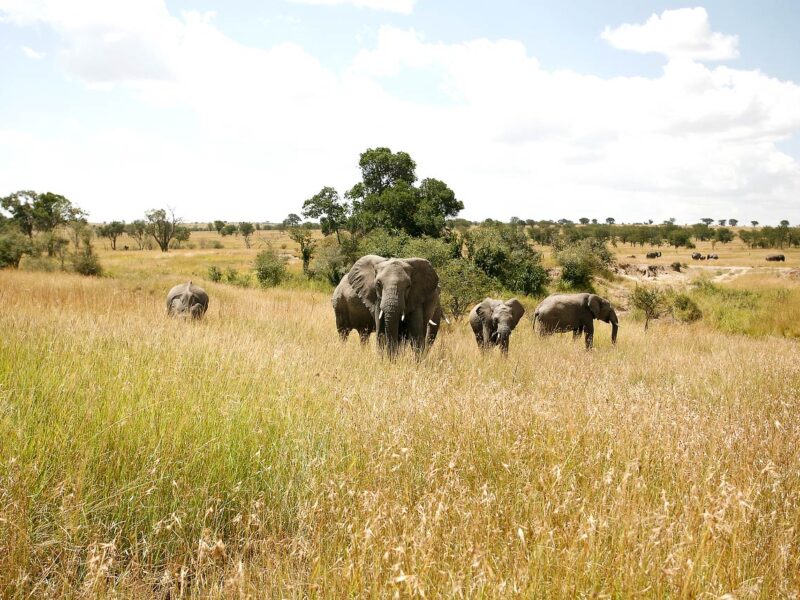
Amboseli sits at the foot of Mount Kilimanjaro, and the sight that greets you on arrival, elephant herds drifting across the open floodplain with Africa’s highest mountain rising behind them, is one of the most photographed and least adequately captured scenes in the world. Photographs never quite do it justice. Arriving in the late afternoon, you have time to settle into your lodge, take in the setting, and join an evening game drive as the last light falls on the mountain.
Your final morning in Amboseli is best spent early; the mountain is clearest before cloud builds, and the elephant herds gather at the marshes in the cool morning hours in numbers that take time to absorb. Amboseli is home to one of Africa’s best-studied elephant populations, and the individuals here are remarkably relaxed around vehicles, allowing long, close, unhurried observation.
After breakfast and a final drive, you depart for Nairobi, arriving in the early afternoon with time for a lunch stop before your guide delivers you to Jomo Kenyatta International Airport for your onward flight, or to your Nairobi hotel if you are extending your stay.
Seven days. Three ecosystems. One country that stays with you long after you have left.
All pricing is per person and subject to availability. We are happy to discuss group rates, family pricing, or tailor a package to your exact budget.
| Season / Category | Price (USD) | Notes |
|---|---|---|
| Low Season (Jan–Mar, Nov) | From $3,200 | Per person sharing, double occupancy |
| Shoulder Season (Apr–Jun) | From $3,600 | Per person sharing, double occupancy |
| High Season (Jul–Oct) | From $4,400 | Per person sharing — Great Migration season |
| Single Supplement | From $680 | Added to base package price |
| Solo Traveller | From $3,800 | Private vehicle and guide throughout |
Ready to book or want a personalised quote?
For a first safari, yes — seven days is enough to properly experience three distinct ecosystems without feeling rushed: the Maasai Mara's predator-rich plains, Lake Nakuru's Rift Valley scenery, and Amboseli's elephant herds beneath Kilimanjaro. Travellers wanting to add the coast, a second country, or a slower pace in any one location typically extend to ten days or more.
The Great Migration typically reaches the Maasai Mara between July and October, when over a million wildebeest and zebra cross from Tanzania's Serengeti, including the well-known Mara River crossings. Outside these months, the Mara still offers strong resident wildlife viewing, generally with fewer vehicles at sightings.
Yes, though not in the vast numbers the park was historically known for. Rising water levels over the past decade have diluted the lake's alkalinity and reduced the algae flamingos feed on, so many birds have shifted to nearby Rift Valley lakes. Nakuru remains a strong destination for rhino, Rothschild's giraffe, and general birdlife, with flamingo sightings varying by season.
Yes — it's built specifically as an introduction to Kenya's classic safari circuit, covering three ecosystems without excessive driving distances between them, and paired with a private guide throughout.
Yes. A dawn balloon flight over the Mara can be added on day 2 or 3 of this itinerary, bookable through Ayal at an additional cost.
Requirements vary by traveller and itinerary, so this is worth confirming with a travel health clinic or your doctor several weeks before departure, particularly regarding yellow fever and malaria precautions for the regions on this route.
This itinerary is a starting point. We will adjust every detail — dates, accommodations, pace, and add-ons — around your vision. No cost, no obligation.
Tell us about your vision. We'll be in touch within 24 hours.
Your details are kept private and never shared with third parties.